Modern Lighting: Linear LED Pendant for Dining Island
So, you’re eyeing up a linear LED pendant for your dining island, and you’re wondering if it’s the right move. The short answer? For most people aiming for a modern, functional, and stylish kitchen, absolutely. These fixtures have become a go-to for a reason, offering a great blend of form and illumination that really transforms an island space. They’re not just pretty lights; they’re smart design choices that can make a big difference in how you use and enjoy your kitchen.
Let’s get down to brass tacks. When you think about lighting your dining island, especially if it’s a hub for casual meals, homework, or just catching up with family, you need something that’s both effective and fitting with the overall vibe of your kitchen. A linear LED pendant Zouille hits a sweet spot. It’s designed to spread light evenly over a longer surface, which is exactly what an island is. Plus, with LED technology, you get a host of practical benefits that are hard to ignore.
The Aesthetic Advantage: Blending Style and Substance
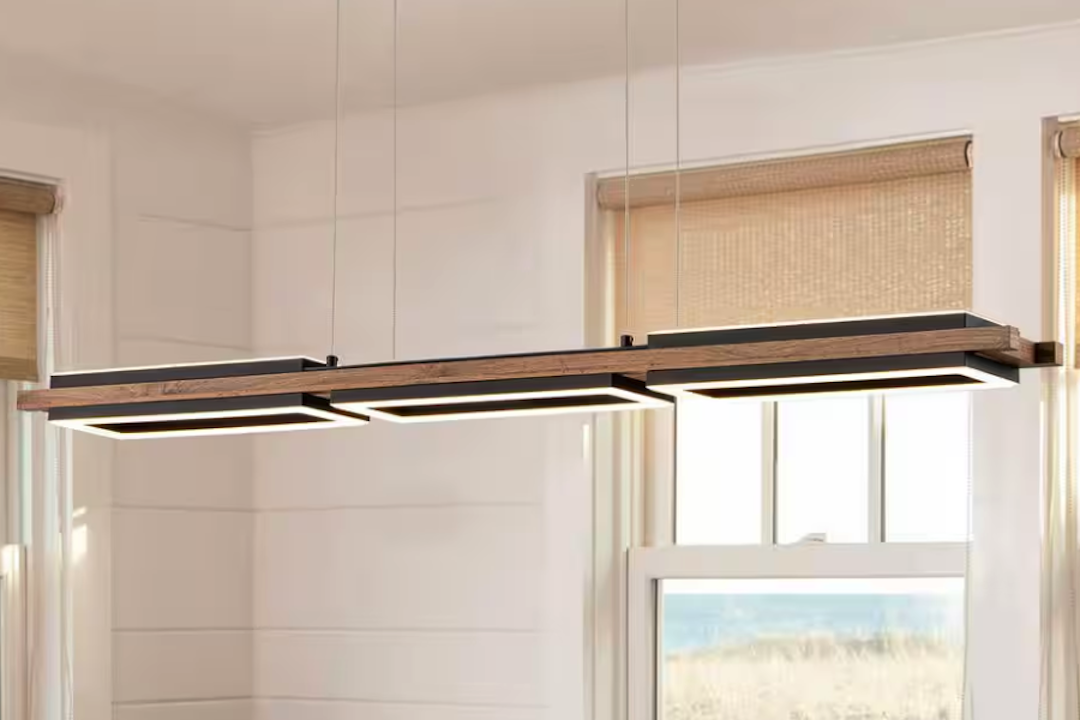
Modern kitchens often lean towards clean lines and a sophisticated look. A linear pendant, by its very nature, complements this. Its elongated form can echo the shape of the island itself, creating a sense of visual harmony. It doesn’t feel as visually heavy as a cluster of smaller pendants or a single, large chandelier might, making the space feel more open and airy. This is particularly important in kitchens that might not be massive.
Sleek and Streamlined Designs
When you look at linear LED pendants, you’ll notice a huge variety, but many share a common thread: a focus on sleek, minimalist design. Think brushed nickel, matte black, polished chrome, or even subtle wood accents. These finishes are chosen to integrate seamlessly into contemporary kitchen aesthetics without being fussy or distracting. The slim profile of many of these fixtures means they act more like a sculptural element than an imposing light source.
The “Wow” Factor without the Clutter
Imagine your island bathed in soft, evenly distributed light. It sets the mood for everything from a quick breakfast to a dinner party. A well-chosen linear pendant can be a real statement piece, drawing the eye and enhancing the appeal of your island without making the space feel crowded. It’s about making a sophisticated impact with understated elegance.
Illuminating Your Island: Functionality First
While style is important, the primary job of a light fixture is to provide light. For a dining island, which is often a multi-functional surface, you need reliable and effective illumination. This is where the “LED” part of the linear LED pendant really shines.
Task Lighting Done Right
Whether you’re chopping vegetables, reading a recipe, or working on a craft project, you need good task lighting directly over your island. Linear pendants are fantastic for this because their long shape ensures that light is spread across the entire length of the island, minimizing shadows and providing consistent brightness where you need it most. This is a significant advantage over a single pendant, which can leave darker spots.
Creating Ambiance
Beyond just functional light, you want your dining island to feel inviting. The good news is that many linear LED pendants offer dimming capabilities. This allows you to go from bright, functional lighting for prepping food to a softer, more ambient glow for dining or entertaining. It’s about having control over the mood of your kitchen.
Uniform Light Distribution
One of the biggest pluses of a linear design is how it disperses light. Unlike a single point source that can create harsh hotspots and deep shadows, a linear fixture spreads illumination more evenly. This means fewer glares and a more comfortable experience, whether you’re sitting at the island or working on it. It makes the entire surface usable and enjoyable.
The Energy and Longevity Benefits of LED Technology
Let’s not forget the “LED” part. Light Emitting Diodes have revolutionized lighting, offering benefits that save you money and reduce your environmental footprint.
Significant Energy Savings
Compared to older lighting technologies like incandescent or halogen bulbs, LEDs are incredibly energy-efficient. They use a fraction of the electricity to produce the same amount of light. This translates into lower electricity bills, which is a practical advantage that benefits you every month. Over the lifespan of the fixture, these savings really add up.
Extended Lifespan Means Less Fuss
LEDs are also known for their impressive longevity. They can last tens of thousands of hours, meaning you won’t be constantly replacing bulbs. For a fixture that’s often a central feature in your kitchen, this means less climbing on chairs to reach bulbs and more time spent enjoying your space. It’s a set-it-and-forget-it kind of convenience, with the added bonus of not contributing to landfill waste as frequently.
Color Temperature Options for Every Mood
LED technology also gives you flexibility in the type of light produced. You can choose between “warm white” (similar to traditional incandescent bulbs, creating a cozy feel), “cool white” (brighter, more energizing light, good for task areas), or even tunable white options that let you adjust the color temperature throughout the day. This allows you to tailor the lighting to specific activities and times.
Installation and Practical Considerations
Thinking about putting one up? While professional installation is always a good idea for any electrical work, understanding some of the basics can help you make informed decisions and communicate effectively with an electrician.
Sizing Up the Perfect Fit
One of the most important considerations is getting the size right. A pendant that’s too small can look lost above a large island, while one that’s too big can overpower the space. A general guideline is that the length of the pendant should be about two-thirds the length of your island. However, this can vary based on the fixture’s design and your kitchen’s proportions. It’s worth measuring and even using masking tape to visualize the size on your ceiling.
Hanging Height Matters
The height at which you hang your linear pendant is crucial for both aesthetics and function. Too high, and it might not provide adequate task lighting. Too low, and it can be an obstruction or create glare for those sitting at the island. A common recommendation is to have the bottom of the fixture about 30-36 inches above the countertop. Again, this can be adjusted based on the fixture and your personal preference, but it’s a good starting point.
Electrical Requirements and Wiring
Most linear LED pendants are designed for standard household wiring. However, if you are replacing an existing fixture that had a single outlet, you might need to consider if additional wiring is needed if your new pendant has multiple light sources or a more complex design. Always consult with a qualified electrician to ensure the installation is safe and up to code. They can also advise on any potential dimmer switch compatibility.
What to Look for When Shopping Around
With so many options out there, how do you pick the right linear LED pendant for your dining island? It’s about knowing what features and styles will best suit your needs and taste.
Material and Finish Harmony
Consider the existing materials and finishes in your kitchen. If you have a lot of stainless steel appliances, a brushed nickel or chrome pendant will likely blend in well. If your cabinets have a lot of wood grain, a pendant with wood accents or a matte black finish might provide a nice contrast. The goal is to create a cohesive look, not to have the lighting compete with other elements.
Light Quality and Dimmability
When looking at specifications, pay attention to the “lumens” (which indicate brightness) and the “color temperature” (measured in Kelvin, so lower numbers are warmer, higher numbers are cooler). For a dining island, you’ll likely want a balance of task lighting and ambiance. Dimmability is a highly recommended feature, allowing you to adjust the light intensity for different situations. Check if the pendant is advertised as dimmable and what type of dimmer switch is recommended or required.
Diffuser Types for Even Light
Many linear pendants have a diffuser (a cover that softens the light) to prevent glare and distribute light evenly. These can be made of frosted glass, acrylic, or other materials. A good diffuser ensures that the light is comfortable to look at, even when you’re seated at the island.
Integrated vs. Replaceable LEDs
Some linear pendants have integrated LED modules, meaning the LED light source is built into the fixture and isn’t replaceable. Others might use standard LED bulbs that you can swap out. Integrated LEDs often allow for sleeker, more minimalist designs and can be more energy-efficient. However, if the integrated LED fails, you’d typically replace the entire fixture. If you prefer the option of replacing bulbs, look for fixtures designed with standard LED sockets.
So, is a Linear LED Pendant the Right Choice for Your Dining Island?
Based on the blend of style, functionality, energy efficiency, and modern design principles, a linear LED pendant is a very strong contender for lighting your dining island, especially if you’re aiming for a contemporary kitchen. They offer even illumination for tasks, create a welcoming atmosphere, and contribute to a sleek aesthetic without being overwhelming. The longevity and energy savings of LED technology are significant practical bonuses that make them a smart long-term investment. While the specific design and features you choose will depend on your personal preferences and kitchen layout, the core benefits of this type of fixture make it a popular and effective solution for a reason.