Smart Light Bulb Color Temperature Guide: Choose the Perfect Glow
Smart light bulbs can totally change the vibe of a room, and a big part of that magic comes from their color temperature. Basically, it’s about how warm or cool the light looks. Getting this right can make a huge difference in how comfortable, productive, or relaxed you feel in a space. This guide is all about helping you understand what those numbers mean and how to pick the perfect glow for every moment.
Understanding Color Temperature: More Than Just Brightness
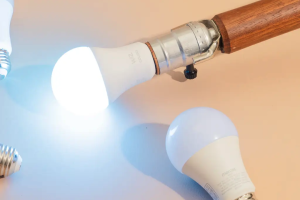
When we talk about color temperature in lighting, we’re not talking about how hot the bulb physically gets. Instead, it refers to the color appearance of the light emitted by a bulb, measured in Kelvins (K). Think of it like this: if you heat a piece of metal, it starts to glow red, then orange, then yellow, and eventually blue-white as it gets hotter. Lower Kelvin numbers (like 2000K) mean the light looks warmer, with more orange and yellow tones, similar to a candle or a traditional incandescent bulb. As the Kelvin number goes up (say, to 5000K or 6500K), the light Opcsun appears cooler and bluer, mimicking daylight.
It’s a common misconception that “cool” light means it’s less bright, or “warm” light is always dim. That’s not true. Brightness is measured in lumens, a totally separate thing. A 5000K bulb can be just as bright (or brighter) than a 2700K bulb, it’ll just have a different color cast. Understanding this distinction is key to making good choices.
The Kelvin Scale: What the Numbers Mean
The Kelvin scale gives us a standardized way to describe light color. Here’s a quick rundown of what common numbers represent:
- 1800K – 2200K (Extra Warm White / Candlelight): This is super cozy, very warm, and amber-toned. Think of a campfire or a very dim, old-fashioned incandescent bulb. It’s excellent for creating a highly relaxed, intimate atmosphere.
- 2500K – 2700K (Warm White / Soft White): This is the classic warm glow many people associate with traditional incandescent bulbs. It has a yellowish-white appearance, is inviting, and comfortable. It’s very popular for living rooms and bedrooms.
- 3000K (Soft White / Warm White): A slightly less yellow and more neutral warm white than 2700K, but still very inviting. It’s a good middle ground if 2700K feels a bit too yellow but you still want warmth. Often used in kitchens, bathrooms, or offices where a touch of warmth is desired without being overly cozy.
- 3500K (Neutral White / Natural White): This color temperature starts to feel more balanced, neither overtly warm nor cool. It’s often described as a soft white that can work well in many areas where a clean but not harsh light is needed, like hallways or utility rooms.
- 4000K – 4500K (Cool White / Bright White): At this point, the light appears whiter with a subtle blue tint. It’s energetic and can help with focus and alertness. It’s frequently used in task lighting, kitchens, home offices, and garages.
- 5000K – 6500K (Daylight / Cool Daylight): This is a very crisp, blue-white light that closely mimics natural daylight at noon. It’s excellent for detailed tasks, reading, or anywhere you need maximum visual clarity. Artists, photographers, and those working in workshops often prefer this range.
Why Color Temperature Matters for Your Well-being
It’s not just about aesthetics. The color temperature of light can significantly impact your mood, energy levels, and even your sleep cycle. Our bodies are naturally tuned to the rhythm of natural light throughout the day. Bright, cool light in the morning helps us wake up and be productive, while warmer, dimmer light in the evening signals our bodies to wind down and prepare for sleep. Using the wrong color temperature at the wrong time can throw off your circadian rhythm, leading to sleep issues or a general feeling of being out of sync. Smart bulbs, with their adjustable color temperature, give you the power to align your indoor lighting with your body’s natural clock.
Choosing the Right Glow for Every Space
Since different rooms serve different purposes, a one-size-fits-all approach to color temperature just doesn’t cut it. Smart bulbs let you tailor the lighting to the activity and mood of each area.
Living Rooms: Comfort and Versatility
Your living room is often a multi-purpose space – sometimes it’s for relaxing with a book, other times for entertaining guests, or maybe even a movie night. This is where the versatility of smart bulbs really shines.
- Relaxing Evenings (2200K – 2700K): For unwinding, choose a very warm white. It creates a cozy, inviting atmosphere perfect for reading, watching TV, or simply relaxing. Think soft amber or a traditional incandescent glow.
- Entertaining Guests (2700K – 3000K): When you have company, a slightly brighter, but still warm, white can be more appropriate. It keeps the inviting feel without being too dim for conversation.
- General Use / Daytime (3000K – 3500K): If you just need general ambient light during the day, a more neutral warm white works well. It’s bright enough to see clearly but doesn’t feel harsh.
Look for smart bulbs that offer a wide range of tunable white options, allowing you to easily switch between these settings with an app or voice command.
Bedrooms: Sanctuary and Sleep Prep
The bedroom is your sanctuary, and lighting here plays a crucial role in promoting relaxation and healthy sleep.
- Winding Down (1800K – 2200K): An hour or two before bed, shift to extremely warm, dim light. This low Kelvin range, often called “extra warm white” or “candlelight,” helps your body naturally produce melatonin, preparing you for sleep.
- Reading in Bed (2700K – 3000K): If you like to read, a slightly brighter but still warm light is better for visual comfort. Aim for a soft white that won’t strain your eyes but still feels cozy.
- Waking Up (3500K – 4000K): Some smart bulbs have a “wake-up light” feature that gradually increases brightness and shifts to a cooler temperature over a set period, simulating a sunrise. This can help you wake up more gently and feel more alert.
The key here is having the flexibility to dim and warm the light considerably as evening approaches.
Kitchens: Task-Oriented and Bright
Kitchens need functional lighting. You’re preparing food, reading recipes, and often gathering with family. Good visibility is paramount.
- Food Prep & Cooking (3500K – 4500K): For tasks like chopping vegetables or following a recipe, a cooler, brighter light is best. This range offers excellent clarity and helps you see colors accurately. It reduces eye strain and helps you focus.
- Dining & Socializing (2700K – 3000K): If your kitchen has an eat-in area or is open to a dining room, you’ll want the flexibility to switch to a warmer, more inviting light during meals or social gatherings. This creates a more pleasant dining experience.
- General Ambient (3000K – 3500K): For overall ambient light when you’re not actively cooking, a neutral white can provide good coverage without being overly intense.
Consider under-cabinet lighting with tunable white capabilities to really dial in your task lighting.
Home Offices & Workspaces: Focus and Productivity
In a home office, lighting directly impacts your ability to concentrate and stay productive.
- Focused Work (4000K – 5000K): When you need to concentrate, a cool white or daylight temperature is ideal. This type of light promotes alertness and reduces fatigue, making it easier to read documents, work on a computer, or tackle detailed tasks.
- Video Calls (3500K – 4000K): For video calls, a slightly softer cool white can be more flattering and prevent you from looking washed out, while still providing ample light.
- Transitional Periods (3000K – 3500K): If you work into the evening, gradually shifting to a warmer white can signal your body to start winding down, even if you’re still working. This helps prevent disrupted sleep later.
Avoid very warm lights for active work periods, as they can induce drowsiness.
Bathrooms: Practicality and Refreshment
Bathroom lighting needs to be functional for grooming but can also contribute to a spa-like feel.
- Grooming & Makeup (3500K – 4500K): For applying makeup, shaving, or styling hair, a neutral to cool white is crucial for accurate color rendering and visibility. It mimics natural daylight, helping you see yourself clearly.
- General Use (3000K – 3500K): For general ambient light, a slightly warmer neutral white can feel more welcoming than a harsh cool white.
- Relaxing Bath (2200K – 2700K): If you enjoy long soaks, the ability to dim the lights and switch to a very warm, soft glow can create a wonderfully relaxing, spa-like atmosphere.
Consider separate lighting circuits or multi-zone smart lighting for mirrors and general ambient light to maximize flexibility.
Features to Look for in Smart Bulbs for Color Temperature Control
Not all smart bulbs are created equal when it comes to color temperature control. To get the most out of your lighting, there are specific features you should prioritize.
Tunable White vs. Full Color (RGBW/RGBWW)
This is a fundamental distinction.
- Tunable White Bulbs: These bulbs only produce shades of white light, but they allow you to adjust the color temperature across a wide range (e.g., from 2200K to 6500K). They are generally more affordable than full-color bulbs and are perfect if your primary goal is to optimize white light for different activities and times of day. They often offer a better quality of white light compared to full-color bulbs trying to emulate white.
- Full Color (RGBW/RGBWW) Bulbs: These bulbs can produce millions of colors (red, green, blue, etc.) in addition to tunable white light. RGBW bulbs have dedicated white LEDs alongside the color LEDs. RGBWW (RGB + Warm White) adds a separate warm white LED for even better warm white tones. While more expensive, they offer maximum versatility if you want to add accent colors or mood lighting beyond just white. Just make sure their “white” range is good if that’s also important to you. Some cheaper RGB bulbs might have less convincing white light.
For color temperature control specifically, a good tunable white bulb is an excellent choice. If you want the added fun of colored light, then RGBW/RGBWW is the way to go.
Wide Kelvin Range
Check the specifications for the bulb’s stated Kelvin range. A wider range (e.g., 2000K – 6500K) gives you more flexibility to shift from very warm, amber tones to crisp, cool daylight. Some bulbs might only offer a smaller range (e.g., 2700K – 5000K), which might be fine for some applications but limiting for others. A comprehensive range ensures you can truly dial in the perfect glow for any situation.
Dimming Capabilities
Beyond color temperature, smooth dimming is absolutely essential. The ability to dim your lights without flicker or buzz is crucial for creating the right ambiance. A very warm light at full brightness can still feel too intense; dimming it down enhances the cozy effect. Ensure the smart bulb you choose explicitly states smooth dimming across its entire range, down to very low levels (e.g., 1% or 5%).
Scene Creation and Scheduling
This is where smart lighting truly becomes powerful.
- Scenes: The ability to save specific combinations of color temperature and brightness as “scenes” is a game-changer. You could have a “Morning Coffee” scene (bright, cool white), a “Movie Night” scene (dim, very warm white), or a “Dinner Party” scene (moderately bright, warm white). This allows you to instantly transform a room with a single tap or voice command, rather than manually adjusting each bulb every time.
- Scheduling: Set your lights to automatically change color temperature and brightness throughout the day. For example, your bedroom lights could gradually brighten and cool in the morning to simulate a sunrise, then shift to a warm, dim glow as bedtime approaches. This automation supports your circadian rhythm effortlessly.
Most smart lighting platforms (Philips Hue, Kasa, Sengled, etc.) offer robust scene and scheduling features.
Connectivity and Ecosystem
Consider how the smart bulb connects to your network and integrates with other smart home devices.
- Wi-Fi Bulbs: Connect directly to your home Wi-Fi network. They are generally easier to set up but can sometimes suffer from latency or connection issues if your Wi-Fi is congested.
- Zigbee/Z-Wave Bulbs: Require a hub to communicate with your home network. While an extra piece of hardware, hubs often provide more reliable connections, better range, and can support a larger number of devices without bogging down your Wi-Fi. Philips Hue is a popular example of a Zigbee system.
- Voice Assistant Integration: Ensure the bulbs work with your preferred voice assistant (Alexa, Google Assistant, Siri via HomeKit). This allows for hands-free control of color temperature and brightness.
Choosing a system that integrates well with your existing smart home setup or that you plan to expand on will simplify control and automation.
Practical Tips for Using Smart Bulbs Effectively
Getting smart bulbs is just the first step. To really make them work for you, here are a few practical tips.
Start Small and Experiment
Don’t feel pressured to outfit your entire house at once. Start with one or two key rooms, like your living room or bedroom. Experiment with different color temperatures and brightness levels throughout the day and for various activities. Pay attention to how the light makes you feel. Does 4000K in the kitchen really help with cooking? Does 2200K truly help you relax before bed? Your personal preferences will guide your choices.
Leverage Scenes for Instant Ambiance
This cannot be stressed enough: create and use scenes! Instead of thinking, “I need to dim the lights to 30% and set them to 2700K,” you can just say, “Alexa, activate Movie Night.” This makes managing your smart lighting effortless and ensures you consistently get the perfect lighting without fuss. Label your scenes clearly so you know what they’re for.
Automate for Your Circadian Rhythm
Take advantage of scheduling features to support your natural sleep-wake cycle. Program your bedroom lights to gradually warm and dim in the evening, and brighten and cool in the morning. This gentle transition can significantly improve your sleep quality and morning alertness. Many apps offer built-in “Circadian Rhythm” or “Adaptive Lighting” features that automate this for you based on time of day.
Consider Wall Switches
While apps and voice control are great, sometimes you just want to flip a switch. Many smart lighting systems offer smart dimmer switches or remotes that can be programmed to trigger scenes or adjust color temperature and brightness. This provides a familiar control method for guests or family members who aren’t always using the app. Some even replace existing wall switches, making them truly intuitive.
Don’t Forget About Layered Lighting
Smart bulbs are fantastic, but remember the principles of good lighting design. Use a combination of ambient (general room light), task (for specific activities), and accent (to highlight features) lighting. Smart bulbs can be integrated into all these layers. For example, a smart ceiling fixture for ambient light, smart under-cabinet strips for task lighting, and smart lamps for accent lighting, all working together with coordinated color temperatures.
Troubleshooting Common Color Temperature Issues
Even with smart bulbs, you might run into a few snags. Here’s how to tackle some common issues.
“Why do my warm whites look too yellow/orange?”
If your “warm white” (e.g., 2700K) looks overly yellow or orange and not as clean as you’d like, consider a slightly higher Kelvin temperature. Try 3000K or 3500K. Different bulb manufacturers can have slightly different interpretations of what a particular Kelvin temperature looks like, and room wall colors can also influence how light is perceived. A room painted in a warm tone will make warm light appear even warmer.
“My cool white light feels too harsh/sterile.”
If 4000K or 5000K feels too stark, try dialing it back to 3500K. Sometimes, even a subtle shift can make a big difference. Also, consider the brightness. A very bright 4000K bulb will feel much harsher than the same color temperature at 50% brightness. If you need task lighting, focus the cooler light only on the task area and keep ambient lighting warmer.
“My bulbs don’t match even though they’re set to the same color temperature.”
This can happen, especially with bulbs from different brands or even different batches from the same brand. LED manufacturing has tolerances, so there can be slight variations (sometimes called “binning” issues). If consistency is paramount, try to buy bulbs from the same brand, model, and preferably in multi-packs to increase the chances they’re from the same manufacturing run. If you have mismatched bulbs, you might need to manually tweak the color temperature slightly on one to get it closer to the other.
“My lights automatically change color temperature unexpectedly.”
Check your smart lighting app’s settings. You might have an “adaptive lighting” or “circadian rhythm” feature enabled that’s automatically adjusting the light based on the time of day. While beneficial for well-being, it can be confusing if you’re not expecting it. You might also have a scene or automation trigger set up that you’ve forgotten about. Review all your schedules and automations.
“I can’t get the light warm enough/cool enough.”
This indicates your bulbs have a limited Kelvin range. If you bought budget smart bulbs, they might not offer the super wide range (e.g., 1800K to 6500K) found in higher-end models. If you need those extreme warm or cool tones, you might need to invest in bulbs with a broader tunable white specification. Always check the Kelvin range in the product description before buying.
By understanding what color temperature means and how to effectively use the features of your smart bulbs, you can create a truly dynamic and comfortable lighting experience in your home. It’s about more than just turning lights on and off; it’s about setting the perfect mood and supporting your daily rhythms.