Enhance Your Bedroom with a Romantic Chandelier
A chandelier can transform a bedroom from a functional space into an area of enhanced ambiance. Its primary role is illumination, but its design and material contribute significantly to the room’s aesthetic.
The selection of a chandelier Yibil involves considering various design elements that align with your personal taste and the existing decor of your bedroom.
Traditional Chandeliers
Traditional designs often draw inspiration from historical periods, such as Victorian or Baroque eras. These are characterized by intricate details, often featuring crystals, metalwork like brass or wrought iron, and multiple tiers of lights.
Crystal Droplets and Prisms
- Many traditional chandeliers incorporate faceted crystal elements. These can range from simple teardrop prisms to more elaborate multi-faceted stones.
- The way these crystals refract light can create a dynamic visual effect, casting patterns of light and shadow across the room.
Metal Finishes
- Common metal finishes in traditional chandeliers include polished brass, antique brass, bronze, and sometimes darkened wrought iron.
- The finish contributes to the overall ‘feel’ of the chandelier, whether it aims for opulence or a more rustic charm.
Modern and Contemporary Chandeliers
Modern and contemporary styles typically feature cleaner lines, simpler forms, and a focus on materials like glass, metal, and sometimes even acrylic. They aim for a sophisticated and uncluttered look.
Geometric Shapes
- These chandeliers often employ geometric forms such as spheres, cubes, or abstract arrangements.
- The emphasis is on the purity of the shape and its integration into the overall spatial design.
Minimalist Designs
- Minimalist chandeliers can be as simple as a single statement piece or a series of integrated lights.
- The focus is on functionality and form without unnecessary ornamentation.
Material Innovation
- Contemporary designs are more open to using a wider range of materials, including brushed nickel, chrome, matte black, and even wood accents.
- Some designs might incorporate LED lighting for energy efficiency and a sleek integration into the fixture.
Rustic and Farmhouse Chandeliers
This style draws on influences from rural and country living, often incorporating natural materials and a sense of warmth and comfort.
Industrial Elements
- Elements like exposed bulbs, pipe fittings, and distressed metal finishes are common.
- These chandeliers can provide an edgy yet approachable feel.
Natural Materials
- Wood, often reclaimed or with a natural grain, is a frequent component.
- Wrought iron in darker, more textured finishes also complements this style.
Transitional Chandeliers
Transitional designs bridge the gap between traditional and contemporary, offering a balance of classic elegance and modern simplicity. They are often a good choice for those who want a versatile fixture.
Elegant Simplicity
- These chandeliers avoid excessive ornamentation but still possess a refined appeal.
- They might feature clean, flowing lines with subtle decorative touches.
Versatile Appeal
- The neutral styling of transitional chandeliers allows them to blend with a variety of decor schemes.
- They can offer a statement without overpowering the room.
Strategic Placement and Sizing
The impact of a chandelier is heavily influenced by where it is placed and its proportional size relative to the bedroom.
Centering the Fixture
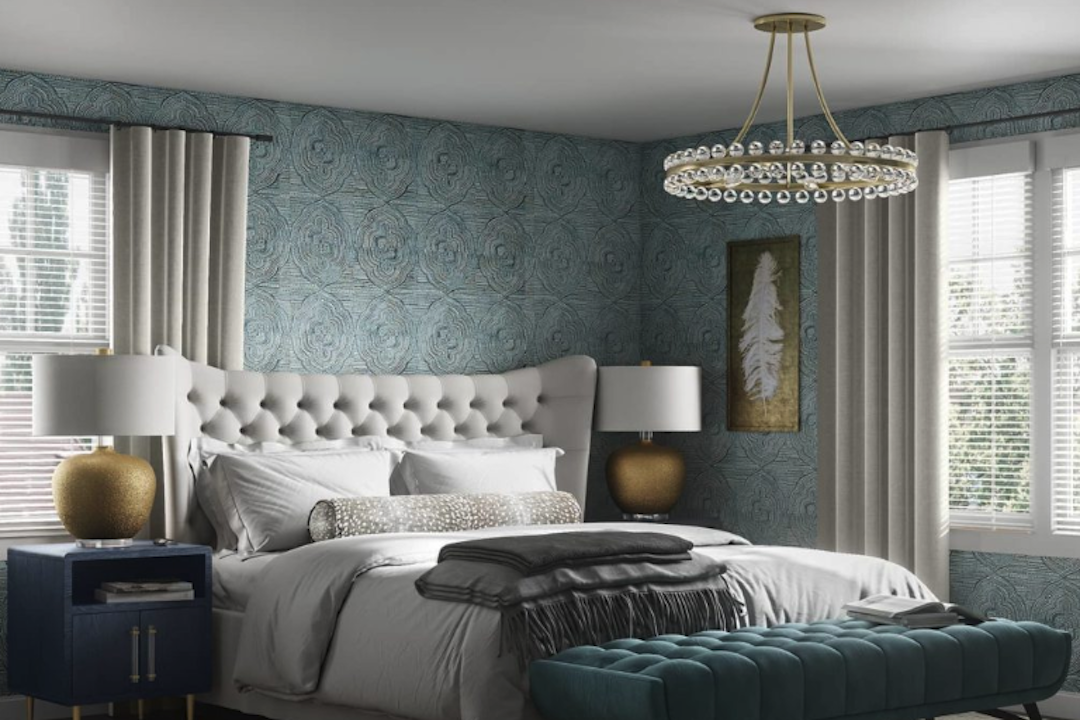
A chandelier is often placed at the focal point of a room. In a bedroom, this is typically the center of the ceiling.
Over the Bed
- Positioning a chandelier directly above the center of the bed can create a strong visual anchor for the room.
- Careful consideration must be given to height to ensure it does not obstruct movement or become a hazard.
In the Center of the Room
- For larger bedrooms, centering the chandelier in the geometric middle of the room can provide uniform illumination across the space.
- This placement is also effective for spaces without a dominant feature like an exceptionally large bed.
Determining Appropriate Size
The scale of the chandelier should correspond to the dimensions of the bedroom to achieve visual harmony.
Room Dimensions
- A common guideline for selecting the diameter of a chandelier is to add the length and width of the room in feet, and the result will be the approximate diameter in inches. For example, a 10×12 foot room would suggest a 22-inch diameter.
- This is a general rule and adjustments can be made based on ceiling height and personal preference.
Ceiling Height
- For rooms with high ceilings, a larger or multi-tiered chandelier can occupy the vertical space effectively.
- Lower ceilings require more streamlined and less voluminous fixtures to avoid making the room feel cramped.
- The bottom of the chandelier should typically hang a minimum of 7 feet from the floor for clearance.
Beyond the Center: Alternative Placements
While centering is common, other placements can serve specific design purposes.
Above a Seating Area
- In bedrooms with a dedicated seating nook or small sitting area, a chandelier can be used to define and highlight this zone.
- This creates an implied separation of space within the bedroom.
Over a Vanity or Dressing Table
- A smaller, more decorative chandelier above a vanity can add a touch of glamour and provide task lighting.
- This placement can elevate the area and make it feel more special.
Illuminating Your Bedroom: Light Quality and Control
The type of light a chandelier emits and the ability to control its intensity are crucial for creating the desired bedroom atmosphere.
Bulb Types and Their Impact
The choice of light bulbs directly affects the color temperature and brightness of the illumination.
Incandescent Bulbs
- Incandescent bulbs produce a warm, yellowish light (typically around 2700K), which is generally considered relaxing and suitable for bedroom environments.
- They are known for their natural color rendering but are less energy-efficient and have a shorter lifespan than other options.
LED Bulbs
- LED bulbs offer a wide range of color temperatures, from very warm to cool white. Many are dimmable.
- Their energy efficiency and longevity make them a practical choice. Look for LEDs specifically designed for ambient or decorative lighting.
Halogen Bulbs
- Halogen bulbs provide a bright, white light that is closer to natural daylight.
- They offer good color rendering but are also less energy-efficient than LEDs.
Color Temperature (Kelvin Scale)
The Kelvin scale indicates the color of light produced.
Warm White (2000K-3000K)
- This range is often preferred for bedrooms as it mimics candlelight or a sunset, promoting relaxation and a cozy atmosphere.
- It can help create a sense of intimacy and reduce visual strain before sleep.
Cool White (4000K-5000K)
- Cooler tones are more energizing and can be beneficial for task lighting if the chandelier incorporates such elements.
- However, this range is generally less suitable for creating a relaxing bedroom ambiance.
Dimmer Switches: The Key to Ambiance
The ability to adjust the light output is fundamental to controlling the mood of the bedroom.
Creating Mood Versatility
- A dimmer switch allows you to transition from bright, functional light for dressing or reading to a soft, ambient glow for relaxation.
- This flexibility is essential for a room that serves multiple purposes.
Energy Savings
- Using a dimmer switch to reduce the light output can also lead to energy savings and prolong the life of the bulbs.
Integrated vs. Replaceable Bulbs
Some modern chandeliers feature integrated LED lighting, while others use standard sockets for replaceable bulbs.
Integrated LED Systems
- These systems are often designed for a seamless aesthetic, with the light source built directly into the fixture.
- They can offer advanced features like color-changing capabilities but may require specialized replacement if the integrated unit fails.
Standard Socket Fixtures
- These offer the most flexibility in bulb choice, allowing you to easily swap bulbs to adjust color temperature or brightness as needed.
- This is a more traditional approach and generally more straightforward for maintenance.
Material and Finish Considerations
The materials and finishes chosen for a chandelier contribute significantly to its visual appeal and how it integrates with the bedroom’s decor.
Crystal and Glass Options
Crystal and glass are popular choices for their ability to refract and reflect light.
Genuine Crystal
- Cut glass, such as K9 crystal or leaded crystal, offers superior light dispersion and sparkle.
- The quality of the cut and the clarity of the material will influence its brilliance.
Glass Variants
- Frosted glass, frosted panes, or colored glass can diffuse light for a softer effect.
- Art glass or hand-blown glass can introduce unique textures and patterns, adding a more artisanal feel.
Metal Types and Finishes
The metal components of a chandelier play a role in its style and durability.
Brass and Gold Tones
- Polished brass offers a bright, reflective surface while antique brass provides a more muted, aged appearance.
- Gold finishes can add warmth and a touch of luxury.
Chrome and Nickel
- Brushed nickel and polished chrome offer a cooler, more contemporary metallic sheen.
- These finishes are often preferred in modern or minimalist designs.
Iron and Bronze
- Wrought iron, often in black or dark brown, can lend a rustic or industrial character.
- Bronze finishes provide an earthier, richer metallic tone.
Other Materials
Beyond traditional options, other materials are used to create unique chandelier designs.
Wood Accents
- Incorporating wood elements, such as carved details or wooden arms, can introduce natural warmth and texture.
- This is particularly relevant for rustic, farmhouse, or even some mid-century modern styles.
Fabric Shades
- Some chandeliers utilize fabric shades to soften and direct light.
- These shades can be made from silk, linen, or other textiles, adding a layer of texture and color.
Maintenance and Longevity
Ensuring a chandelier remains a beautiful and functional element requires some ongoing care.
Cleaning Techniques
Regular cleaning prevents dust and grime from dulling the chandelier’s luster.
Dusting
- A soft brush or microfiber cloth can be used for regular dusting.
- For chandeliers with intricate details, a compressed air can be helpful to dislodge dust from hard-to-reach areas.
Crystal and Glass Cleaning
- For crystal and glass elements, a solution of mild dish soap and water, or a specialized glass cleaner, can be used.
- Wipe gently with a soft cloth and dry thoroughly to prevent water spots. It’s advisable to place a drop cloth below the chandelier during cleaning to protect the floor.
Metal Component Care
- The cleaning method for metal components depends on the finish.
- Polished finishes can be buffed with a soft cloth. For tarnished brass or bronze, specific metal polishes may be required, following the manufacturer’s instructions.
Bulb Replacement
This is a straightforward but essential maintenance task.
Safety First
- Always turn off the power to the chandelier at the circuit breaker before attempting to replace a bulb.
- Allow bulbs to cool completely before touching them.
Accessing Bulbs
- Depending on the chandelier design, access to bulbs may involve removing glass shades, cages, or other components.
- Refer to the fixture’s manual for specific instructions if available.
Professional Servicing
For complex or antique fixtures, professional servicing might be beneficial.
Lamp Repair Specialists
- These professionals can address issues such as rewiring, replacing broken components, or restoring antique finishes.
- For very valuable or delicate chandeliers, professional oversight can prevent damage.
Electrical Inspections
- Periodically, having an electrician inspect the wiring and mounting of the chandelier can ensure continued safety and proper function.
- This is particularly important for older fixtures or if any flickering has been observed.
Beyond Aesthetics: Functional Considerations
While visual appeal is paramount, a chandelier’s function in a bedroom extends beyond mere decoration.
Illumination for Practical Tasks
The light provided by a chandelier can support activities performed in the bedroom.
Reading Light
- If a chandelier is positioned above a seating area or bedside, its brightness and type of light can affect usability for reading.
- Adjustable brightness through a dimmer is key.
Dressing and Grooming
- For chandeliers placed near a dresser or vanity, the quality of light is important for accurate color perception when dressing or applying makeup.
- A higher Kelvin rating or focused light might be considered for these instances, though ambient light is generally preferred for overall bedroom mood.
Creating Zones within the Bedroom
A thoughtfully placed chandelier can help delineate different functional areas within a single room.
Establishing a Focal Point
- As mentioned, centering a chandelier can draw the eye and establish the primary visual anchor of the bedroom.
- This can make the room feel more organized and intentional.
Highlighting Specific Areas
- Positioning a chandelier over a sitting area, a dressing table, or even a particularly attractive piece of furniture can draw attention to these elements.
- This creates a hierarchy of visual interest within the space.
Energy Efficiency and Sustainability
Modern chandelier designs increasingly incorporate energy-saving features.
LED Integration
- The shift towards LED technology within chandeliers significantly reduces energy consumption compared to incandescent bulbs.
- This not only benefits the environment but also lowers electricity bills.
Smart Home Compatibility
- Some contemporary chandeliers offer integration with smart home systems, allowing for automated lighting schedules and remote control.
- This can further optimize energy use and convenience.
Safety and Installation
Proper installation is critical for both the longevity of the fixture and the safety of the occupants.
Professional Installation
- For heavier chandeliers or those requiring complex wiring, professional installation by a qualified electrician is recommended.
- This ensures the fixture is securely mounted and connected correctly to the electrical system.
Structural Support
- The ceiling joists must be able to support the weight of the chandelier. An electrician or contractor can assess this.
- Mounting hardware should be appropriate for the type of ceiling and the chandelier’s weight.
Clearance and Proximity
- Ensuring adequate clearance from the floor, particularly in high-traffic areas, is essential to prevent accidental bumps and injuries.
- Chandelier placement relative to other fixtures or ceiling fans should also be considered for aesthetic and functional balance.