High-Power Anti-Glare Downlight: Perfect for Commercial Offices
When businesses are looking to illuminate their workspaces, a lot of factors come into play. One of the most crucial for comfort and productivity is the quality of light. This brings up the question: Are high-power anti-glare downlights a good fit for commercial offices? The short answer is yes, they can be an excellent choice, offering a blend of effective illumination for tasks and a reduction in disruptive glare that can plague tired eyes and impact focus.
Understanding High-Power Anti-Glare Downlights
Before diving into the specifics of office applications, it’s helpful to understand what these fixtures are and what makes them stand out.
What Exactly is a “High-Power” Downlight?
When we talk about “high-power” in the context of LED downlights Lovefanli, we’re referring to their lumen output, which is the measure of the total visible light emitted by a source.
Lumen Output vs. Wattage
It’s easy to confuse wattage (energy consumed) with lumen output (light produced). Modern LED technology is highly efficient, meaning a lower wattage can produce a significant amount of light. High-power downlights typically have a higher lumen package compared to standard residential fixtures, designed to illuminate larger areas or provide brighter light where needed. This is essential in commercial settings where spaces are often expansive and require adequate illumination for a variety of tasks.
Applications Requiring High Lumen Output
In an office environment, high lumen output is beneficial for:
- Task Lighting: Providing sufficient brightness for detailed work, reading documents, or using computer screens without straining.
- General Ambient Lighting: Creating an overall well-lit atmosphere that prevents dark corners and enhances the perception of space.
- Areas with High Ceilings: Ensuring light effectively reaches the working surface in rooms with elevated ceilings.
The Importance of Anti-Glare Technology
Glare is more than just an annoyance; it can lead to eye strain, headaches, reduced concentration, and even affect visual comfort over long periods. Anti-glare features are designed to minimize this directly.
How Anti-Glare Works
Various technologies contribute to anti-glare properties:
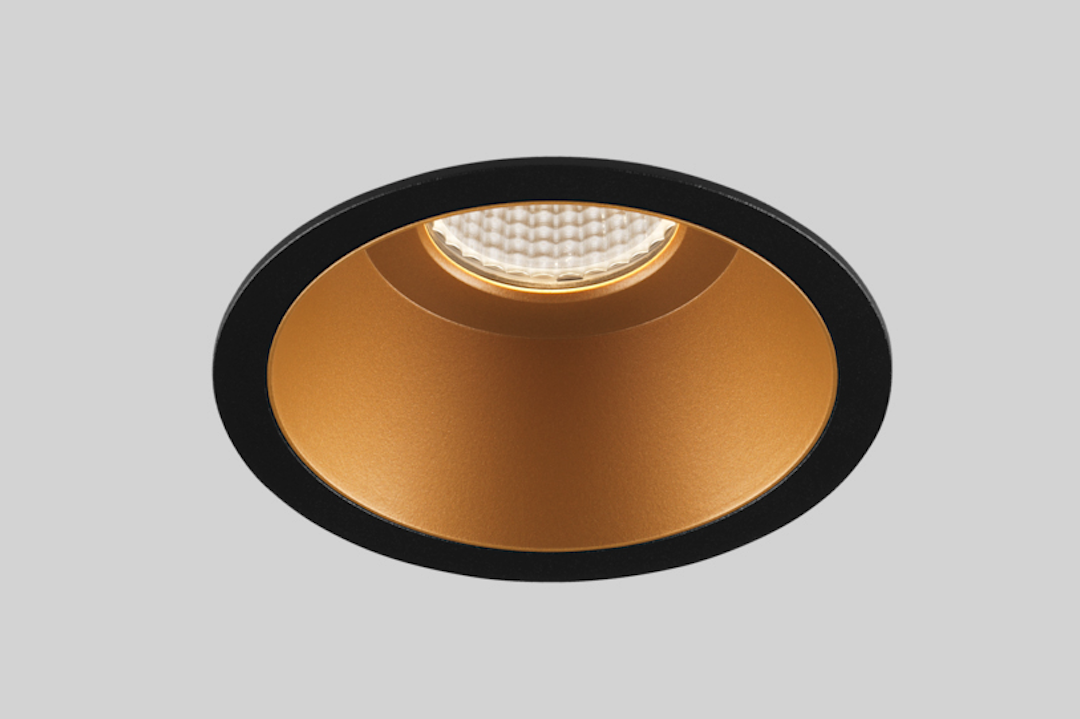
- Deep-Set LEDs: The light source is recessed further into the luminaire, shielding it from direct line of sight.
- Diffusers and Lenses: Specialized materials are used to scatter and soften the light, reducing harshness and creating a more uniform distribution.
- Honeycomb or Baffle Optics: These internal structures are designed to block or redirect light that would otherwise cause direct glare, allowing light only at specific angles.
- Cut-off Angles: This refers to the angle at which the light source becomes invisible. A well-designed downlight will have a steep cut-off angle, ensuring you don’t see the bright LED chip directly.
Impact of Glare on Office Productivity
The consequences of poor lighting and excessive glare in an office can be substantial:
- Reduced Focus and Concentration: Constantly fighting glare makes it harder to concentrate on tasks, leading to errors and decreased output.
- Physical Discomfort: Eye strain, headaches, and fatigue are common complaints in poorly lit environments.
- Increased Absenteeism: While not solely attributable to lighting, prolonged discomfort can contribute to employee stress and potentially impact workplace health.
- Decreased Aesthetic Appeal: Even a well-designed office can feel unwelcoming and unprofessional if the lighting is harsh and uncomfortable.
Lighting Design Considerations for Commercial Offices
Choosing the right fixtures is only part of the equation. How they are integrated into the overall lighting plan is equally vital.
Achieving Optimal Illuminance Levels
Illuminance refers to the amount of light falling on a surface. Different tasks and areas within an office require specific illuminance levels to function effectively and comfortably.
Recommended Illuminance Values
Industry standards, such as those from the Illuminating Engineering Society (IES), provide guidelines for illuminance. For example:
- General office work areas might require 300-500 lux.
- Areas with detailed tasks, like design studios or drafting tables, may need 500-750 lux or even higher.
High-power downlights, when correctly specified and placed, can help achieve these required levels without the need for an excessive number of fixtures, which can contribute to a cleaner ceiling aesthetic.
The Role of Uniformity
Beyond just the amount of light, uniformity is key. This means the light should be distributed evenly across the workspace, avoiding bright spots and dark patches. High-power downlights, with their wider beam angles and carefully designed optics, can contribute to creating a more uniform light field.
Color Rendering and Color Temperature
The visual appearance of colors and the “warmth” or “coolness” of the light are also critical for office environments.
Understanding Color Rendering Index (CRI)
CRI measures how accurately a light source reveals the true colors of objects compared to natural daylight.
- High CRI (90+): Essential for environments where accurate color perception is important, such as design offices or areas exhibiting artwork or product samples. For general office use, a CRI of 80+ is generally considered good.
- Low CRI: Can make colors appear dull or distorted, negatively impacting the perception of the workspace and potentially affecting tasks that involve color differentiation.
Choosing the Right Color Temperature (CCT)
Color temperature is measured in Kelvin (K) and describes the perceived hue of the light.
- Warm White (2700K-3000K): Often associated with a cozy, relaxing atmosphere. While pleasant, it might not be ideal for all office tasks requiring alertness.
- Neutral White (3500K-4000K): A popular choice for offices, offering a balance between warmth and coolness, promoting alertness and productivity without feeling sterile.
- Cool White (4500K-6500K): Can make spaces feel very bright and energetic, sometimes described as daylight. It’s effective for tasks requiring high visual acuity but can feel impersonal or overly stimulating for some individuals.
The selection of CCT should consider the specific function of the office space and the preferences of its occupants.
Benefits of High-Power Anti-Glare Downlights in Offices
When implemented thoughtfully, these fixtures offer distinct advantages.
Enhanced Visual Comfort and Reduced Eye Strain
This is arguably the most significant benefit for office workers.
Direct Impact on Worker Well-being
By minimizing direct glare and creating a more diffused and comfortable light field, high-power anti-glare downlights contribute directly to employee well-being. When employees are comfortable, their ability to focus and perform tasks is enhanced.
Fewer Distractions From Luminaire Brightness
Users are less likely to be distracted by the inherent brightness of the light source itself. This means they can concentrate on their screens and documents without the visual annoyance of looking up at a too-bright light.
Improved Productivity and Performance
Comfort often translates directly into performance.
Sustained Focus Over Extended Periods
When lighting conditions are optimal, workers can maintain their focus for longer periods. This reduces the need for frequent breaks due to visual fatigue and leads to higher overall output.
Better Task Accuracy
In roles requiring fine detail or critical reading, adequate and glare-free illumination is paramount. High-power downlights ensure that sufficient light reaches the task area without causing distracting reflections or veiling glare on computer screens.
Energy Efficiency and Cost Savings
While “high-power” might suggest high energy consumption, modern LED technology flips this notion.
Lower Operating Costs
Despite their higher lumen output, energy-efficient LEDs consume less power than traditional lighting sources. This translates to lower electricity bills for the business.
Reduced Maintenance Needs
LEDs have a significantly longer lifespan than incandescent or fluorescent bulbs. This means fewer replacements are needed, saving on both labor and material costs for maintenance.
Aesthetic Design and Workspace Ambiance
The visual appeal of an office is important for both employees and clients.
Clean Ceiling Aesthetics
Downlights, especially recessed ones, create a clean and minimalist look, particularly when integrated flush with the ceiling. This avoids the visual clutter that can sometimes come with other lighting fixtures.
Flexible Design Options
High-power anti-glare downlights come in a variety of beam angles and sizes. This allows for flexibility in design, enabling lighting designers to create tailored lighting schemes that suit the specific layout and architectural features of an office. Whether a broad spread for general areas or a more focused beam for accent lighting, options are available.
Practical Implementation and Installation
Knowing the benefits is one thing; putting them into practice is another.
Strategic Placement for Optimal Coverage
The effective use of downlights relies heavily on their placement.
Calculating Fixture Spacing
Proper spacing is crucial for achieving uniform illuminance. This often involves using lighting design software or consulting with a lighting professional to calculate the appropriate number and placement of fixtures based on the room dimensions, ceiling height, and desired illuminance levels.
Avoiding Direct Overhead Glare
Even with anti-glare features, it’s wise to avoid placing downlights directly above primary computer screen positions where reflections can still be an issue. Angling the lights slightly or using wider beam angles can help.
Choosing the Right Fixture Specifications
Not all high-power anti-glare downlights are created equal.
Understanding Beam Angles
- Narrow Beam (e.g., 15-30 degrees): Good for accent lighting or highlighting specific areas, but less suitable for general illumination due to creating pools of light.
- Medium Beam (e.g., 30-60 degrees): A versatile option that can provide both general illumination and some degree of focus.
- Wide Beam (e.g., 60-90 degrees): Best for general ambient lighting, providing a broad and even spread of light across a larger area.
Dimmability and Control Systems
Many high-power downlights offer dimming capabilities. This is a valuable feature in offices for several reasons:
- Task-Specific Adjustments: Allowing users to dim lights for screen work or brighten them for detailed tasks.
- Daylight Harvesting: Integrating with sensors to automatically adjust light levels based on available natural light, further saving energy.
- Creating Zones: Enabling different areas of the office to have independent lighting control, enhancing flexibility.
- Occupancy Sensors: Automatically turning lights on and off based on whether an area is occupied, preventing energy waste.
Potential Challenges and Mitigation Strategies
While beneficial, there are a few points to consider when deploying these fixtures.
Cost Considerations
High-quality, high-performance downlights can represent a significant upfront investment.
Balancing Initial Cost with Long-Term Savings
The initial purchase price of premium downlights might be higher than standard alternatives. However, considering the energy savings, reduced maintenance, and potential improvements in productivity, the long-term return on investment can be substantial. It’s important to look at the total cost of ownership over the lifespan of the fixtures.
Importance of Quality Components
Opting for fixtures with high-quality LED chips and robust construction ensures longevity and consistent performance, preventing premature failures and the associated replacement costs.
Over-Illumination Risks
“High-power” can sometimes lead to the temptation of over-lighting a space.
The Detrimental Effects of Too Much Light
Excessive illumination can be just as problematic as insufficient light. It can lead to:
- Increased energy consumption unnecessarily.
- Glare, even with anti-glare features if the lumen output is excessive for the space.
- Unnecessary visual stress and discomfort.
Importance of Professional Lighting Design
Hiring a lighting designer or ensuring the installation team has expertise in lighting calculations is vital. They can precisely determine the required lumen output and fixture density to achieve the desired illuminance without exceeding it.
Thermal Management
High-power LEDs generate heat. Effective thermal management is crucial for both the longevity of the fixture and its performance.
Ensuring Adequate Heat Dissipation
High-quality downlights are designed with integrated heat sinks that effectively dissipate the heat generated by the LEDs. This prevents overheating, which can lead to reduced light output (lumen depreciation) and premature failure of the LED components.
Ventilation Considerations
In certain ceiling constructions, ensuring adequate airflow around the downlights is important. This prevents heat buildup in enclosed spaces, which can impact the fixture’s performance and lifespan.
Conclusion: A Strong Case for High-Power Anti-Glare Downlights
High-power anti-glare downlights offer a compelling solution for modern commercial offices. They strike a balance between providing ample, functional illumination for a wide range of tasks and creating a comfortable visual environment for employees.
When specified and installed correctly, these fixtures contribute to:
- Reduced eye strain and visual fatigue.
- Enhanced focus and productivity.
- Significant energy efficiency and lower operating costs.
- A more professional and aesthetically pleasing workspace.
While careful consideration of placement, lumen output, and color properties is essential, the benefits they offer make them a smart investment for businesses looking to optimize their office lighting. By prioritizing visual comfort alongside illumination needs, companies can create a work environment that is both efficient and supportive of employee well-being.