Craftsman Bungalow Lighting: Mica and Oak Elegance
If you’re outfitting a Craftsman bungalow, you absolutely need to consider mica and oak lighting. These aren’t just decorative choices; they’re integral to the period aesthetic and function beautifully within these homes. The warm, diffused glow from mica paired with the sturdy, honest character of oak perfectly complements the Craftsman ideal of natural materials, handcrafted quality, and a comfortable, unpretentious elegance.
When we talk about Craftsman lighting, mica and oak are practically synonymous with the style. It’s not just a trend; it’s deeply rooted in the philosophy behind these homes.
Echoing Nature’s Palette
Craftsman bungalows draw heavily from nature, both in their construction and their finishes. Oak, with its rich grain and robust character, was a readily available and celebrated material. Mica, a natural mineral that splits into thin, translucent sheets, offered a unique way to diffuse light Petpatpet. Together, they bring the outdoors in, mirroring the earthy tones and textures found in natural landscapes.
Embracing Handcrafted Quality
The Arts and Crafts movement, which birthed the Craftsman style, was a direct rebellion against mass production. Handcrafted elements were prized. Oak was often chosen for its ability to be carved, joined, and finished with care, showcasing the artisan’s skill. Mica panels, carefully cut and sometimes artfully arranged, also speak to this hands-on approach, a stark contrast to the uniformity of factory-made glass shades.
The Warm, Inviting Glow
Functionally, mica excels at creating a soft, warm light. Unlike clear glass, which can produce harsh glare, mica filters the light, giving off an amber or golden hue. This effect is crucial in a Craftsman home, which prioritizes comfort and a cozy atmosphere. Paired with the solid, grounding presence of oak, this combination fosters a sense of warmth and welcome.
Key Considerations for Choosing Mica and Oak Lighting
Selecting the right fixtures involves more than just liking the look. Think about how these elements will integrate into your specific home.
Scale and Proportion Matter
Craftsman bungalows often have defined, distinct rooms rather than open-plan layouts. This means the scale of your lighting fixtures is important. A grand chandelier that would suit a large foyer might overwhelm a smaller dining room.
Matching Fixture Size to Room Size
Measure your space. For a general guideline, add the length and width of the room in feet, and that sum in inches is a good starting point for the diameter of a chandelier or large pendant. For example, a 10×12 foot room (22 feet total) would suggest a 22-inch diameter fixture. Wall sconces should also be appropriately sized for their location, not too big for the wall space, nor too small to be impactful.
Considering Ceiling Height
Lower ceilings are common in bungalows. Flush-mount or semi-flush-mount fixtures might be more suitable than long pendants or chandeliers that hang too low. If you do opt for a pendant, ensure it won’t impede sightlines or create a claustrophobic feel.
The Right Finish for Your Oak
Oak isn’t just oak. The finish applied to it significantly impacts its appearance and how it blends with other wood elements in your home.
Stains and Their Impact
- Darker Stains: These can evoke a more traditional, Mission-style Craftsman feel, often complementing darker wood trim or furniture. They lend a sense of gravity and historical accuracy.
- Medium Stains: A versatile choice, these can highlight the natural grain of the oak without being too heavy or too light. They work well with a variety of interior palettes.
- Lighter Stains/Natural Finish: While less common in strict historical reproduction, a clear or very light stain can showcase the natural beauty of the oak in a slightly more contemporary Craftsman setting, particularly if your home leans towards a lighter, airier aesthetic.
Matching Existing Woodwork
Ideally, your lighting fixtures should complement your home’s existing wood trim, cabinetry, or furniture. They don’t have to be an exact match, but they should be in the same family of tones to create a cohesive look.
Types of Mica and Oak Lighting Fixtures
The versatility of mica and oak means you can find these materials in almost every type of lighting fixture needed for a Craftsman home.
Ceiling Fixtures: Pendants, Chandeliers, and Flush Mounts
These are often the focal point of a room, providing general ambient light.
Pendants and Chandeliers
Perfect for dining rooms, entryways, or over kitchen islands. Look for designs with geometric shapes, often with multiple mica panels set into an oak frame. The chain or rod supporting the fixture is typically a dark metal, like oil-rubbed bronze or matte black, to complement the oak.
Flush and Semi-Flush Mounts
Ideal for hallways, bedrooms, or rooms with lower ceilings. These fixtures sit closer to the ceiling, providing good general illumination without encroaching on headroom. Many designs feature a central oak frame surrounding mica panels, often in a square or rectangular shape.
Wall Sconces: Accent and Task Lighting
Wall sconces are fantastic for adding layers of light, providing ambient glow, or highlighting architectural features.
Uplight and Downlight Options
Many Craftsman sconces direct light upwards, creating a soft, indirect wash of light on the ceiling. Others direct light downwards, useful for task lighting over a vanity or reading nook. Some feature both, providing a balanced glow. The mica panels are often curved or angled to achieve these lighting effects.
Placement Considerations
Think about placing sconces on either side of a fireplace, mirror, or doorway. In hallways, space them evenly to guide the eye and provide consistent illumination.
Table and Floor Lamps: Portable Ambiance
These fixtures offer flexibility and can be moved to where light is needed most, adding intimacy and warmth.
Sturdy Oak Bases
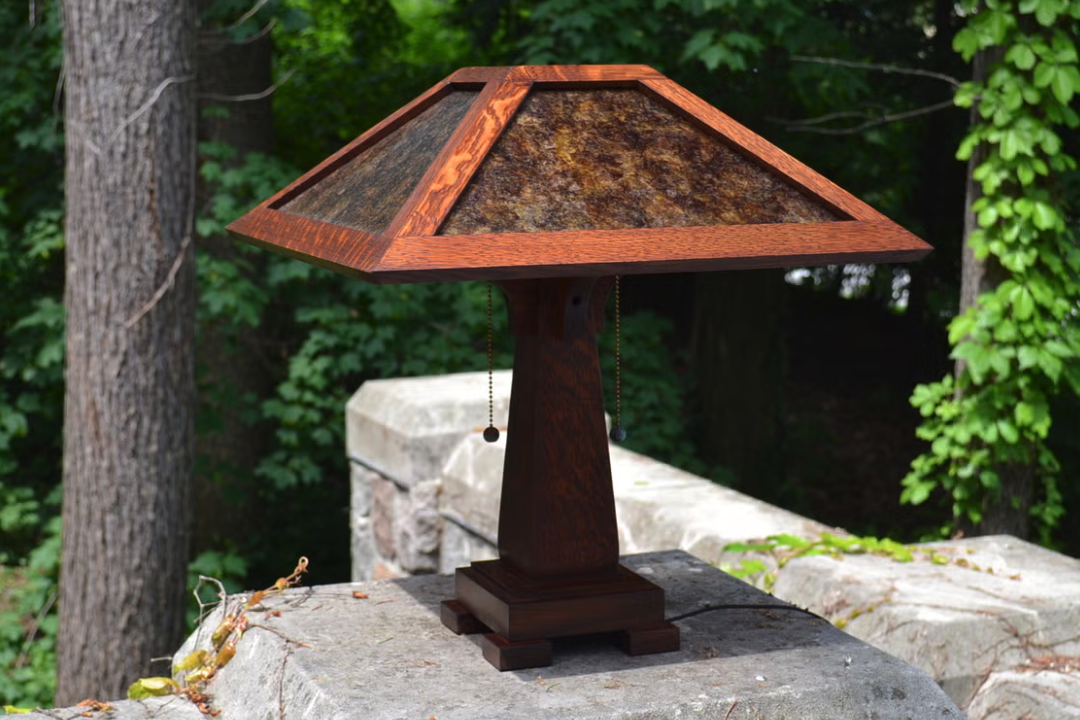
Craftsman table and floor lamps typically feature robust, often tapered oak bases, sometimes with carved details. The weight of the oak provides stability, reflecting the grounded nature of the style.
Mica Shades with Geometric Patterns
The shades are almost always constructed with mica panels, often framed by oak or a complementary dark metal. Geometric patterns, sometimes incorporating art glass elements, are common. The resulting light is soft and inviting, perfect for reading or creating a cozy corner.
Sourcing and Maintenance of Mica and Oak Lighting
Finding the right fixtures and keeping them looking good is straightforward with a little knowledge.
Where to Find Authentic and Reproduction Pieces
You have a few avenues to explore, depending on your budget and desire for historical accuracy.
Antique Stores and Salvage Yards
For truly authentic period pieces, these are excellent hunting grounds. Be prepared to do some restoration work, as wiring may need updating for safety. However, the unique character of an original piece is often worth the effort.
Specialty Craftsman Lighting Retailers
Many companies specialize in high-quality reproductions that are meticulously designed to reflect the period. These fixtures are built to modern electrical standards and often offer customization options for wood finish and mica color.
Online Marketplaces and Artisans
Etsy, local artisan markets, and specialized online shops can connect you with smaller workshops producing beautiful, handcrafted mica and oak lighting. This is a great way to support independent makers and often find unique designs.
Caring for Your Mica and Oak Fixtures
These materials are durable but benefit from a little care to maintain their beauty.
Cleaning Oak Wood
Use a soft, damp cloth to wipe down the oak frame. For deeper cleaning, a mild wood cleaner can be used sparingly, followed by a dry cloth. Avoid harsh chemicals that could damage the finish. Periodically, a wood polish or wax can help protect the finish and restore its luster.
Dusting Mica Panels
Mica can accumulate dust, which dulls its glow. Use a soft, dry cloth or a feather duster to gently wipe the panels. Avoid abrasive cleaners or excessive moisture, which could stain or damage the mica. If a panel is smudged, a slightly damp cloth can be used with care, ensuring it’s dried thoroughly immediately afterward.
A Note on Different Mica Colors and Their Effect
Mica isn’t just one color; its natural variations and how it’s treated can significantly alter the lighting effect.
Amber Mica
This is arguably the most iconic and popular choice for Craftsman lighting. Amber mica casts a warm, golden-orange glow that is incredibly inviting and true to the period. It enhances the coziness of a room and pairs beautifully with oak’s natural tones.
White or Silver Mica
Less common but certainly an option, especially if you’re aiming for a slightly brighter or more neutral light. White mica still diffuses light beautifully but without the strong amber tint. It can work well in homes with a lighter color palette or where a more subtle glow is desired.
Streaked or Mottled Mica
Some mica has natural streaks or mottling, which adds texture and character to the light fixture. This variation can make each piece feel truly unique and enhances the handcrafted aesthetic.
Choosing mica and oak lighting for your Craftsman bungalow is more than just a decor decision; it’s an embrace of the style’s core principles. These fixtures provide warm, inviting light, showcase natural materials and skilled craftsmanship, and ultimately contribute to the authentic, comfortable atmosphere that defines a Craftsman home. By paying attention to scale, finish, and the type of fixture, you can select pieces that not only illuminate your space but also enrich its character.