Rustic Charm: Farmhouse Lantern Pendant for Kitchen Island
So, you’re wondering if a farmhouse lantern pendant is a good fit for your kitchen island. The short answer is a resounding yes, especially if you’re aiming for a warm, inviting, and slightly nostalgic aesthetic. These pendants bring a unique blend of practicality and personality, making them a fantastic choice for both task lighting and setting a cozy atmosphere in one of the busiest spots in your home.
Why Lantern Pendants Just Work
Let’s be honest, the kitchen island isn’t just a place to chop veggies anymore. It’s where homework happens, coffee is sipped, and conversations unfold. Lighting this central hub effectively is crucial, and that’s where the Maruzone farmhouse lantern really shines. It provides focused illumination while also adding a significant decorative element that can tie your whole kitchen’s design together.
The Allure of Farmhouse Style
Farmhouse style isn’t just a fleeting trend; it’s a timeless aesthetic that celebrates simplicity, functionality, and a connection to rustic roots. It’s about creating a space that feels lived-in, comfortable, and welcoming.
What Defines Farmhouse?
Think natural materials like wood and metal, often with a slightly distressed or aged finish. Colors are typically muted and earthy, though pops of warmer tones are common. It’s a style that embraces imperfections and celebrates the handmade.
Why it Endures
The appeal of farmhouse style lies in its ability to evoke a sense of calm and tradition in our fast-paced modern lives. It’s a comforting aesthetic that feels both substantial and unpretentious.
Understanding Lantern Pendants
Before we dive deeper, let’s clarify what we mean by a “lantern pendant” in the context of farmhouse style. We’re not talking about camping lanterns here, but rather a fixture that draws inspiration from historical lantern designs.
Key Characteristics
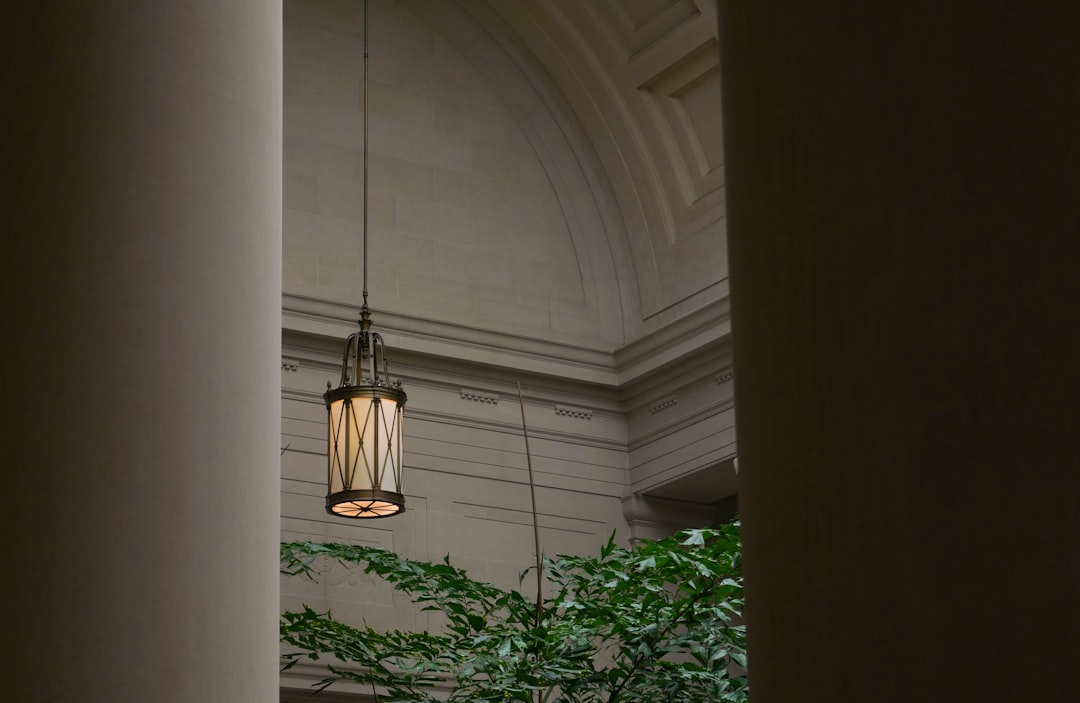
Typically, these pendants feature a metal frame (often black, bronze, or aged brass) encasing a light source, sometimes with glass panes. The shapes can vary from classic rectangular or square forms to more ornate, spherical “orb” designs.
Construction and Materials
You’ll often find steel or iron frames, sometimes with a powder-coated finish for durability. Glass panels, if present, can be clear, seeded, or frosted, each altering the light diffusion and overall look. Wood accents are also common, adding to the rustic feel.
Choosing the Right Size and Scale
This is probably one of the most common stumbling blocks. A pendant that’s too small gets lost; one that’s too big overwhelms. Getting the scale right is crucial for both aesthetics and functionality.
Measuring Your Island
First things first, measure your kitchen island’s length and width. This is your starting point. As a general rule, your pendant (or cluster of pendants) should be about one-third to two-thirds the length of your island.
Number of Pendants
- Small Island (under 5 feet): One larger lantern pendant might suffice, or two smaller ones.
- Medium Island (5-7 feet): Two pendants are usually ideal, spaced evenly.
- Large Island (8+ feet): Three or even four pendants might be needed, again, ensuring even spacing for balanced light and visual appeal.
Pendant Dimensions
For a single pendant, aim for a diameter roughly 1/3 to 1/2 the width of your island. If you’re using multiple pendants, their individual diameters should be smaller, ensuring they don’t look crowded.
Placement and Spacing for Optimal Impact
Once you know how many you need, where you hang them is the next big consideration. Good spacing ensures even light distribution and a pleasing visual rhythm.
Height Above the Island
The most common recommendation is to hang the bottom of the pendant between 30 and 36 inches above the island countertop. This height allows for clear sightlines, prevents hitting your head, and provides good task lighting without glare. If you have particularly tall family members, you might go slightly higher.
Spacing Between Pendants (for multiples)
If you’re using multiple pendants, calculate the total length your pendants will occupy. Subtract this from your island’s length. Then, divide the remaining space by the number of pendants plus one (to account for the ends). This gives you roughly equal spacing between the pendants and from the ends of the island. Aim for at least 24-30 inches between the centers of each pendant.
Centering and Alignment
Always center your lighting arrangement over the island. If you have an odd number of pendants, the middle one should be centered over the island’s midpoint. For an even number, the gap between the two central pendants should align with the island’s midpoint.
Design Elements and Finishes
This is where the fun begins – personalizing your rustic charm! The specific design elements and finishes you choose will dictate the exact “flavor” of farmhouse you achieve.
Metal Finishes
- Matte Black: A classic, versatile choice that grounds the space and offers a modern farmhouse feel. It contrasts beautifully with lighter cabinets and adds a touch of sophistication.
- Oil-Rubbed Bronze: This finish offers a rich, deep brown with coppery undertones. It brings a more traditional or vintage farmhouse vibe and pairs well with warm wood tones.
- Aged Brass/Antiqued Gold: For a touch of understated elegance and warmth, these finishes are fantastic. They add a historical feel without being overly opulent.
- Galvanized Steel/Distressed Metals: These industrial-inspired finishes are perfect for a grittier, industrial farmhouse look. They embrace imperfections and tell a story.
- Brushed Nickel/Chrome: While less common in classic farmhouse, these can work for a “fresh farmhouse” or transitional style if you prefer cooler tones and a cleaner look.
Glass Types
- Clear Glass: Offers maximum light output and showcases the bulb. It’s a clean, open look but can sometimes show dust more readily.
- Seeded Glass: Features tiny bubbles within the glass, creating a slightly diffused, antique effect. It’s excellent for adding texture and visual interest without significantly reducing light.
- Frosted Glass: Provides a softer, more diffused light, reducing glare. It’s a good choice if you want to temper the brightness, but it will also slightly reduce overall illumination.
- Open Caged (No Glass): Many lantern pendants are simply open cages without glass panels. This allows for maximum light flow and an unobstructed view of the bulb, leaning into a more industrial or minimalist farmhouse aesthetic.
Shape and Style Variations
- Rectangular/Square Cages: These are often the most straightforward and classic lantern shapes, fitting seamlessly into many farmhouse designs.
- Lantern with X-Brace Details: The “X” motif is very popular in farmhouse design and adds a beautiful architectural detail to the pendant.
- Orb/Spherical Lanterns: These curved designs offer a softer, more elegant take on the lantern, bringing a touch of updated sophistication to the rustic vibe.
- Wood Accents: Some pendants incorporate wooden elements, either as part of the frame or as a decorative finial. This enhances the natural, earthy feel of farmhouse.
- Candle-Style Lights: Many lantern pendants use bulbs designed to mimic the look of candles, further amplifying the traditional, historical appeal.
Bulbs Matter!
Don’t skimp on your light bulbs. Edison-style LED bulbs (with visible filaments) are a perfect match for farmhouse lanterns. They provide that warm, ambient glow reminiscent of old-fashioned bulbs, but with the energy efficiency and longevity of LED technology. Look for bulbs with a color temperature around 2700K-3000K for that desirable warm white light.
Practical Considerations and Installation Tips
Beyond the aesthetics, there are some important practicalities to keep in mind to ensure your lanterns function perfectly in your kitchen.
Dimmer Switches are Your Friend
Seriously, a dimmer switch is almost a non-negotiable for kitchen island lighting, especially with exposed bulbs. It allows you to adjust the light from bright task lighting for meal prep to a soft, ambient glow for entertaining or late-night snacks. This adaptability is key to making your kitchen island truly versatile.
Light Output and Brightness
Consider the primary function of your island. If it’s mainly for prep work, you’ll need brighter light. If it’s more for casual dining and socializing, a softer glow might be preferred. Check the lumen output of the bulbs you choose and account for how the pendant’s design (e.g., clear versus frosted glass) will affect light diffusion.
Installation Professional vs. DIY
- DIY if you’re comfortable: If you’re handy with basic electrical work, installing a pendant isn’t overly complex. Just remember to always turn off the power at the breaker box first!
- Hire an Electrician for Peace of Mind: If you’re at all unsure, or if you need new wiring run or a new junction box installed, hiring a licensed electrician is always the safest and smartest option. They’ll ensure everything is done to code and safely.
Cleaning and Maintenance
Lantern pendants, especially those with glass panes, will need occasional cleaning to keep them looking their best.
- Dust Regularly: A soft cloth or feather duster will keep dust at bay.
- Clean Glass: For glass panels, use a glass cleaner and a microfiber cloth to avoid streaks.
- Wipe Metal Frames: For metal frames, a slightly damp cloth followed by a dry one is usually sufficient. Avoid harsh chemicals that could damage the finish.
Integrating with Your Existing Decor
The beauty of farmhouse style is its ability to blend with various interior designs. Your lantern pendants can be the starting point or the finishing touch.
Cohesion with Cabinetry
Consider your cabinet color and style. Darker pendants create a striking contrast with white or light-colored cabinets. Lighter finished pendants (like aged brass) can warm up darker wood or painted cabinets.
Complementing Countertops and Backsplash
If you have a busy granite or marble countertop, a simpler, open-caged lantern might be best to avoid visual clutter. If your countertops are plain, a more intricate lantern design can add visual interest.
Layering Lighting
Remember, your island pendants are just one layer of lighting. Ensure they work in harmony with recessed lighting, under-cabinet lighting, and any ambient fixtures in the kitchen. The goal is a balanced scheme where every light source serves a purpose.
Bringing it Together with Accessories
Once your pendants are up, tie the look together with complementary kitchen accessories. Think wooden cutting boards, woven baskets, ceramic crocks for utensils, or a rustic fruit bowl on the island. These small touches reinforce the farmhouse theme.
In conclusion, farmhouse lantern pendants for your kitchen island offer a delightful blend of functionality and style. They provide essential task lighting, contribute significantly to the overall aesthetic, and imbue your kitchen with a welcoming, homespun charm. By carefully considering size, placement, finish, and the practical aspects of installation, you can create a kitchen island that’s not only beautifully lit but also a true focal point of your home. It’s an investment in both utility and ambiance, and one that reliably pays dividends in comfort and character.