Rustic Elegance: Tudor Dining Lighting with Wood Fixture
So, you’re looking to light up your Tudor-style dining room with a touch of rustic elegance, specifically using wood fixtures. Great choice! The short answer is that the best approach involves a careful blend of ambient, task, and accent lighting, with wooden fixtures playing a central role in creating that signature warm, inviting Tudor feel. It’s not just about one big light; it’s about layers and thoughtful placement to highlight the architectural details and create the right mood.
The Heart of Tudor Dining: Why Wood Fixtures?
Tudor design, at its core, celebrates natural materials, craftsmanship, and a sense of history. Wood, with its inherent warmth, texture, and variations, is a perfect match. It brings an organic, grounded feel that modern materials often miss. For a dining room, a wooden light fixture isn’t just a light source; it’s a statement piece, an extension of the architectural style. It grounds the space, adding visual weight and a touch of the past without feeling heavy or dated. Think hand-hewn beams, sturdy oak furniture, and the subtle glow of a carefully chosen wooden lantern – that’s the vibe we’re going for.
Embracing Natural Materials
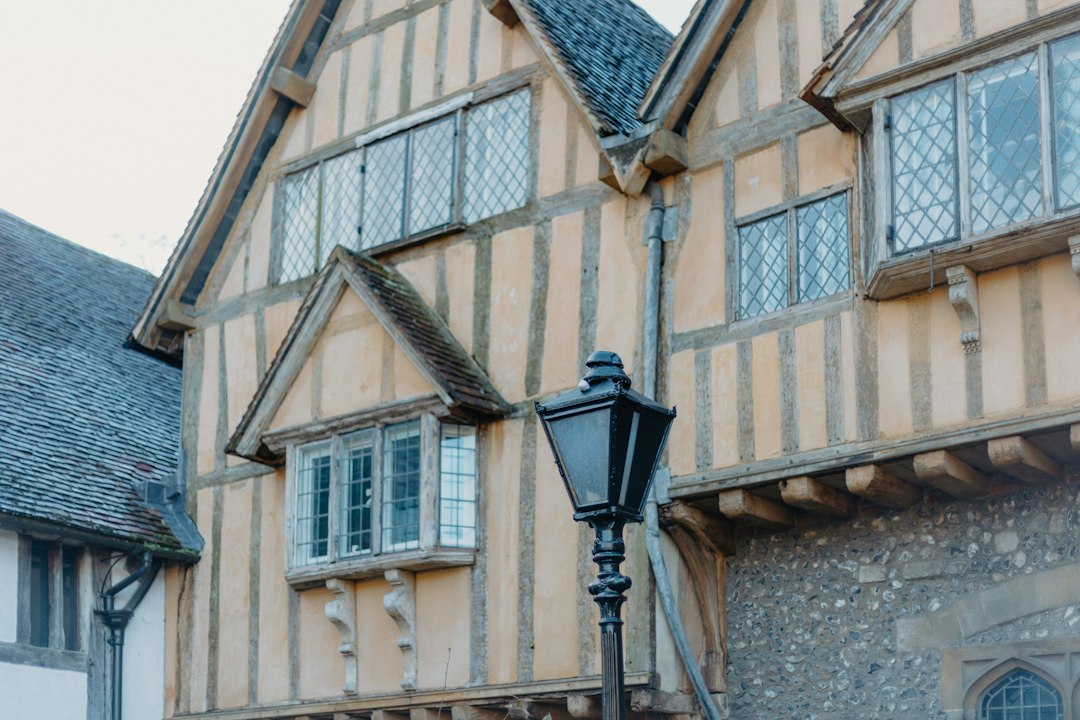
Tudor homes often feature exposed timber framing, stone fireplaces, and plaster walls. Introducing wood in your lighting scheme ties in beautifully with these elements. It’s about creating a cohesive look where every piece feels like it belongs.
Craftsmanship and Character
Unlike mass-produced metal or glass fixtures, wooden lights often showcase the artistry of the maker. The grain of the wood, the way it’s carved or joined, adds a unique character that can’t be replicated. This craftsmanship is a hallmark of Tudor design.
Warmth and Ambiance
Wood naturally diffuses light in a softer, warmer way than reflective materials. This creates a cozy, inviting atmosphere, perfect for long dinners and engaging conversations. It’s less about bright, sterile light and more about a gentle, welcoming glow.
Layering Light: Beyond the Chandelier
Many people think of a dining room light as just the big fixture above the table. While that’s crucial, truly effective lighting, especially in a Tudor setting, relies on layering. This means combining different types of light sources to achieve a balanced and versatile illumination. You’ll want ambient light for general brightness, task light for specific activities (like eating!), and accent light to highlight features.
Ambient Lighting: The Foundation
Ambient lighting is your room’s overall illumination. In a Tudor dining room, you want this to feel warm and inviting, not stark. Your primary wooden fixture above the table often serves as the main ambient light source, but you might also incorporate other elements.
The Grand Wooden Chandelier or Pendant
This is often the focal point. A substantial wooden chandelier or a series of pendants can anchor the dining area. Look for designs that echo Tudor aesthetics – think dark, rich woods like oak or walnut, often with wrought iron accents. Styles that resemble lanterns, wagon wheels, or even simpler, more rustic geometric shapes can work well.
Sizing It Right
Don’t go too small! A Tudor dining room, with its often generous proportions and robust furniture, can handle a larger fixture. A good rule of thumb is to choose a fixture that’s about half to two-thirds the width of your dining table. If you have a very long table, multiple pendants might be more effective than one large chandelier.
Hanging Height Matters
Typically, the bottom of your chandelier should be about 30-36 inches above the tabletop. This ensures it illuminates the table effectively without obstructing views or feeling too low.
Wall Sconces for Gentle Glow
Wooden wall sconces, perhaps with a subtle wrought iron detail, can provide supplementary ambient light. Placed strategically on key walls, they add depth and can highlight architectural features like exposed beams or a stone fireplace. They offer a softer, more diffused light than a central chandelier.
Task Lighting: Illuminating Your Meal
While your chandelier provides general light, you also need good, direct light on your dining surface. This ensures you can see your food clearly and enjoy your meal without strain.
Downward-Facing Elements on Fixtures
Many wooden chandeliers or pendants will have elements that direct light downwards onto the table. Ensure the bulbs are warm-toned (around 2700K-3000K) to enhance the food’s appearance and maintain the cozy atmosphere.
Adjustable Options
Some wooden fixtures might offer dimming capabilities or even adjustable arms, allowing you to fine-tune the light exactly where you need it. This is a practical feature for different dining scenarios, from a bright brunch to a romantic dinner.
Accent Lighting: Highlighting the Details
Accent lighting is where you really bring out the character of your Tudor space. It’s about creating visual interest and drawing attention to specific elements.
Uplighting on Beams or Architectural Details
If your dining room has exposed wooden beams or interesting plasterwork, small, discreet uplights (perhaps even recessed into the floor or hidden behind furniture) can highlight these features. This creates dramatic shadows and emphasizes the texture and history of the room.
Lighting Art or Collections
Do you have a treasured piece of art, a collection of vintage plates, or a display cabinet? Small picture lights or puck lights inside cabinets can draw attention to these items, adding another layer of visual interest to the room.
Choosing Your Wooden Fixture: Style and Substance
Now for the fun part: picking out the actual light fixture. This isn’t just about material; it’s about the specific style of wood and the overall design that will complement your Tudor space.
Dark Woods for Authenticity
For a truly authentic Tudor look, lean towards dark, rich woods. Oak is a classic choice, often stained to a deep brown or even a black finish. Walnut, mahogany, or even reclaimed dark timbers can also work beautifully. The darker tones evoke a sense of age and permanence.
Distressed Finishes
Consider fixtures with a distressed or aged finish. This isn’t about making it look broken, but rather giving it a patina that suggests centuries of use. It adds character and reinforces the historical aesthetic.
Hand-Carved Details
Look for fixtures with hand-carved elements, even if subtle. A simple chamfered edge or a carved motif can elevate a fixture from simple to sophisticated. These details reflect the craftsmanship inherent in Tudor design.
Incorporating Metal Accents
Tudor design often pairs wood with wrought iron. This combination is incredibly effective in lighting fixtures.
Wrought Iron Straps or Chains
Heavy wrought iron straps, chains, or even decorative motifs integrated into the wooden fixture add a medieval, robust feel. The contrast between the dark wood and the black iron is striking.
Lantern-Style Designs
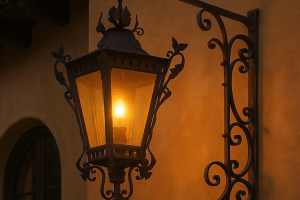
Many Tudor-appropriate wooden fixtures mimic old lanterns, often encasing the light source within a wooden frame with iron detailing. These are fantastic for adding that classic, historical touch.
Glass Elements: Clear or Frosted?
The type of glass in your fixture can also impact the light and overall look.
Clear Glass for Brightness
If your fixture has glass panels, clear glass will allow the most light to pass through, creating a brighter, more defined illumination. This is good if your fixture is a primary light source.
Frosted or Seeded Glass for Softness
Frosted, seeded, or antiqued glass will diffuse the light more, creating a softer, more ambient glow. This is excellent for creating a cozier, more intimate atmosphere.
Beyond the Fixture: Bulbs, Dimmers, and Smart Tech
A beautiful fixture is only part of the equation. What goes inside it and how you control it are just as important for achieving that perfect Tudor dining ambiance.
Bulb Choice: Warmth is Key
Forget harsh, cool-toned LED bulbs. For Tudor, you want warmth.
Color Temperature (Kelvin)
Aim for bulbs with a color temperature between 2200K and 3000K. This range produces a warm, inviting glow that mimics candlelight or the warmth of a fire. Anything higher will start to look too stark and modern for the aesthetic.
LED Filaments for Vintage Look
Many modern LED bulbs are designed to mimic the appearance of old incandescent Edison bulbs, complete with visible filaments. These can look fantastic in open-cage or lantern-style wooden fixtures, adding to the vintage charm while offering energy efficiency.
Dimmers: Essential for Mood Control
A dimmer switch is non-negotiable for a dining room. It allows you to adjust the light level to suit any occasion, from a brightly lit family dinner to a softly lit, romantic evening.
Full Range of Brightness
Ensure your dimmer is compatible with your chosen bulbs and provides a smooth, flicker-free dimming experience across the full range of brightness.
Multiple Dimmer Zones
Consider having separate dimmer switches for your main chandelier, sconces, and any accent lighting. This provides maximum flexibility for creating different lighting “scenes” in your dining room.
Smart Lighting Integration
While Tudor is historic, there’s no reason your lighting can’t be smart. Smart bulbs and switches can offer unparalleled convenience and control without compromising the aesthetic.
Scheduled Lighting
Program your lights to turn on or off at specific times, or even adjust their warmth throughout the day to mimic natural light cycles.
Voice Control and App Control
Imagine telling your smart assistant to “set dining room to cozy” and watching your wooden fixtures dim to the perfect level. This adds a modern convenience to a timeless style.
Placement and Harmony: Making It All Work Together
It’s not just about individual pieces; it’s about how they interact within the space. Thoughtful placement ensures your lighting enhances, rather than detracts from, your Tudor dining room.
Centering the Main Fixture
Your primary wooden chandelier or pendant should ideally be centered over your dining table. This creates a focal point and ensures even illumination of the eating area. If your table can be extended, consider if the fixture will still feel centered when fully extended, or if a track system might be needed for very long tables.
Balancing with Other Elements
Consider the scale of your furniture and other décor. A large, robust wooden table can handle a more substantial fixture. If your furniture is more delicate, you might opt for a fixture that, while still wooden, has a lighter visual presence.
Highlighting Tudor Architectural Features
Use your lighting to draw attention to the unique aspects of your Tudor home. If you have a beautiful stone fireplace, consider discreetly lighting it from below or with nearby sconces. If there are intricate wooden carvings or a dramatic ceiling, position lights to showcase these.
Emphasizing Texture
The play of light and shadow is crucial in Tudor design. Use directional lighting to emphasize the textures of rough-hewn wood, stone, or even plaster walls. This adds depth and visual interest.
Avoiding Glare and Harsh Shadows
While some dramatic shadows can be good, you want to avoid harsh glare or shadows that make the dining experience uncomfortable. Diffusers on bulbs or fixtures with downward-facing light can help. Experiment with bulb wattage and placement to get the right balance.
By thoughtfully combining these elements – the right wooden fixtures, layered lighting, warm bulbs, and smart control – you can create a Tudor dining room that is not only beautifully illuminated but also radiates that authentic rustic elegance you’re aiming for. It’s about crafting an atmosphere, a feeling, that invites people to linger, converse, and enjoy the timeless charm of the space.