Elegant Vintage Lighting for Formal Dining Tables
The formal dining table, a centerpiece of domesticity and a stage for social interaction, demands lighting that complements its purpose. Elegant vintage lighting, a broad category encompassing styles from various historical periods, offers a compelling solution. Far from being mere illumination, these fixtures act as visual anchors, setting the mood and reflecting the aesthetic sensibilities of the era they represent. This article explores the characteristics, historical context, and practical considerations of integrating vintage lighting into a formal dining space, offering insights for those seeking to imbue their dining experiences with a sense of history and refined beauty.
Defining “Elegant Vintage” for Dining
The term “elegant vintage” when applied to lighting Kensulighting for formal dining tables, refers to fixtures that transcend fleeting trends. These are pieces characterized by their enduring design, quality craftsmanship, and a level of sophistication that elevates them beyond utilitarian objects. They often bear the hallmarks of specific design movements, offering a tangible connection to past eras of artistry and engineering.
Characteristics of Elegant Vintage Lighting
- Period Specificity: True vintage lighting is identifiable by its adherence to the design principles and material choices of a particular historical period. This could range from the ornate detailing of Victorian fixtures to the streamlined forms of Art Deco.
- Quality Materials: Historically, lighting fixtures for formal settings were crafted from durable and often luxurious materials. Brass, bronze, crystal, wrought iron, and high-quality glass are common. The patina developed over time on these materials contributes to their vintage appeal.
- Artisanal Craftsmanship: Many vintage fixtures were handmade or produced with a significant degree of human intervention, resulting in intricate details, precise joinery, and a sense of individual artistry often absent in mass-produced items.
- Design Intent: Elegant vintage lighting was designed not just to illuminate, but to adorn. Its form and embellishments often contribute as much to the aesthetic as its functional light output.
Distinguishing Vintage from Reproduction
It is important for the discerning homeowner to differentiate between genuine vintage fixtures and reproductions. While reproductions can offer a similar aesthetic at a lower cost, they lack the historical authenticity and the unique character acquired through age and use. Genuine vintage items often display minor imperfections, a patina of age, or slight variations that are inherent to their origin. Reproduction pieces, conversely, can sometimes appear overly pristine or lack the subtle nuances of period-appropriate construction. Understanding this distinction is key to making informed selections for your dining space.
Historical Styles and Their Impact
The lineage of formal dining table lighting is rich and diverse, with each era leaving an indelible mark on design. Exploring these historical styles allows for a more informed selection that resonates with a specific aesthetic or complements existing decor.
Victorian Grandeur (c. 1837 – 1901)
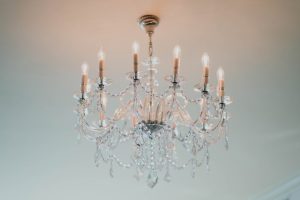
Victorian lighting, popular during the reign of Queen Victoria, is characterized by its opulence and intricate detailing. Chandeliers from this period often feature multiple tiers, elaborate crystal prisms, and ornate metalwork, frequently in brass or bronze. Gasoliers, designed to burn gas, were a prominent type, later converted to electricity. The aesthetic is often one of abundance and decorative excess, reflecting the industrial prosperity and a desire for elaborate ornamentation prevalent at the time. A Victorian chandelier above a formal dining table commands attention, acting as a visual crown for the space.
- Key Features: Ornate castings, crystal cascades, multiple arms, often brass or bronze, sometimes with frosted or etched glass shades.
- Suitability: Best for dining rooms with high ceilings, traditional decor, and a desire for a dramatic, regal statement.
Art Nouveau Elegance (c. 1890 – 1910)
Art Nouveau marked a departure from the historical revivalism of the Victorian era. Lighting from this period embraces organic forms, flowing lines, and motifs inspired by nature – leaves, flowers, vines, and insects. Materials often include bronze, wrought iron, and stained glass, lending a distinctive, handcrafted feel. Tiffany lamps, with their iconic stained-glass shades, are perhaps the most famous example of Art Nouveau lighting. These fixtures offer a softer, more integrated elegance, often diffusing light in a warm, inviting manner.
- Key Features: Organic motifs, curvilinear lines, stained glass (e.g., Tiffany style), patinated bronze or wrought iron, often depicting flora and fauna.
- Suitability: Ideal for dining rooms seeking an artistic, nature-inspired aesthetic. Provides a softer, diffused light.
Art Deco Sophistication (c. 1920 – 1939)
Art Deco, emerging in the interwar period, celebrated modernity, geometric forms, and exotic materials. Lighting fixtures from this era often feature sleek, streamlined designs, stepped motifs, polished chrome, nickel, and frosted or molded glass. Architectural in its precision, Art Deco lighting exudes a sense of sophisticated glamour and technological advancement. A striking Art Deco fixture can transform a dining space into a sleek, urban sanctuary.
- Key Features: Geometric patterns, stepped forms, polished metals (chrome, nickel), frosted or molded glass, often with a skyscraper-like silhouette.
- Suitability: Perfect for contemporary or minimalist dining rooms that appreciate bold lines and a touch of vintage glamour.
Mid-Century Modern Simplicity (c. 1945 – 1969)
Mid-Century Modern lighting, particularly prominent in the post-World War II era, prioritized functionality, clean lines, and innovative materials. Sputnik chandeliers, with their radiating arms and multiple light sources, are iconic. Other popular styles include drum pendants, often made with fabric or acrylic, and fixtures integrating wood and metal. This style emphasizes form following function, offering an understated elegance that remains highly sought after today. Their timeless quality allows them to blend seamlessly with both vintage and contemporary settings.
- Key Features: Clean lines, often abstract or sculptural forms, innovative materials (e.g., acrylic, fiberglass), often brass or chrome, Sputnik designs.
- Suitability: Versatile for a range of dining room styles, from minimalist to eclectic, offering a contemporary yet vintage feel.
Practical Considerations for Installation and Use
Beyond aesthetic appeal, the practical aspects of installing and living with vintage lighting are crucial. Proper planning ensures safety, functionality, and longevity of the fixture.
Sizing and Scale
The size and scale of a dining table light fixture are paramount. A fixture that is too small will appear lost and inadequate, while one that is too large can overwhelm the table and the room. A common guideline dictates that the diameter of a chandelier or pendant should be approximately half to two-thirds the width of the dining table. Additionally, the vertical scale must be considered, especially in relation to ceiling height. The bottom of the fixture should ideally be 30-36 inches (75-90 cm) above the tabletop to avoid obstructing conversation or views across the table, while still providing adequate illumination. This distance needs to be adjusted for higher ceilings or specific fixture designs.
- Table Width: Fixture diameter should be ½ to ⅔ of the table width.
- Height Above Table: 30-36 inches (75-90 cm) is a general guideline; adjust for ceiling height and fixture design.
Wiring and Safety Standards
Many vintage fixtures were originally designed for different electrical standards or lacked modern safety features. It is imperative that any vintage lighting fixture be professionally inspected and, if necessary, rewired by a qualified electrician. This process, known as “rewiring” or “restoration,” replaces old, potentially brittle wiring with new, insulated wiring that meets current electrical codes. This ensures both safety and reliable operation. Verify that the fixture’s internal components, such as sockets, are in good condition and compatible with modern bulbs. Always prioritize safety over historical purity if a component poses a risk.
- Professional Inspection: Essential for all vintage electrical fixtures.
- Rewiring: May be required to meet current safety standards and ensure functionality.
- Socket Compatibility: Ensure sockets are compatible with desired bulb types (e.g., E26/E27 for common Edison screw bases).
Light Output and Dimmability
The primary function of a dining table light is illumination. Consider the desired ambiance. For formal dining, a warm, inviting glow is generally preferred over harsh, direct light. The number of bulbs, their wattage, and the type of diffuser (e.g., frosted glass, fabric shades) all influence light output. Dimmers are highly recommended for formal dining lighting. They offer versatility, allowing you to adjust the brightness to suit various occasions, from intimate dinners to lively gatherings. This flexibility transforms the character of the room with the turn of a knob, allowing the light to be a silent conductor of the evening’s mood.
- Ambiance: Prioritize warm, inviting light.
- Dimmers: Essential for adjusting light levels and creating various moods.
- Bulb Type: Consider LED bulbs for energy efficiency and varying color temperatures.
Integrating Vintage with Modern Decor
The decision to incorporate vintage lighting does not necessitate a complete period-specific overhaul of your dining room. Vintage fixtures can act as compelling focal points within contemporary settings, creating a dialogue between past and present. This juxtaposition can add depth and character that a purely modern or purely vintage design might lack.
Creating Contrast and Focal Points
A vintage chandelier or pendant can serve as a dramatic focal point in a minimalist or contemporary dining room. Its historical details and aged patina can stand in stark contrast to clean lines and modern finishes, drawing the eye and lending an unexpected layer of visual interest. Imagine an elaborate crystal chandelier suspended above a sleek, uncluttered modern dining table; the tension between the two styles creates a unique and memorable aesthetic. This approach demands thoughtful consideration of scale and color palette to ensure harmony despite the stylistic differences.
- Visual Juxtaposition: Use vintage as a counterpoint to modern elements.
- Balance: Ensure the vintage piece doesn’t overwhelm the space but complements it.
Complementing Existing Furnishings
Conversely, vintage lighting can also be chosen to subtly complement existing furniture styles. For a dining room with traditional or classic furniture, a vintage fixture from a sympathetic period (e.g., Victorian for ornate traditional, Art Deco for sleek traditional) can create a cohesive and harmonious design. The key is to select a piece that shares some common design language – perhaps a similar material, a complementary color, or a shared level of formality – even if it originates from a different era. The light should whisper to the furniture, rather than shout over it.
- Style Harmony: Select fixtures that share design elements with existing decor.
- Material and Color: Consider how the fixture’s materials and colors integrate with the room’s scheme.
Sourcing and Maintaining Vintage Luminaires
Acquiring and caring for vintage lighting requires a different approach than purchasing new items. Knowing where to look and how to maintain these pieces ensures their continued beauty and functionality.
Where to Find Authentic Pieces
Authentic vintage lighting can be found through several dedicated channels. Reputable antique dealers and specialized vintage lighting shops often have curated collections, offering pieces that have been inspected and sometimes restored. Online marketplaces dedicated to vintage and antique items can also yield treasures, though careful vetting of sellers and detailed inspection of photographs are crucial. Estate sales and auctions are another avenue, often providing opportunities to acquire unique pieces directly from their original settings. Flea markets and architectural salvage yards might offer more raw, unrestored pieces that appeal to those capable of undertaking restoration projects.
- Antique Dealers/Specialized Shops: Curated, often restored pieces, expertise.
- Online Marketplaces (e.g., 1stDibs, Etsy Vintage): Wider selection, require diligent vetting.
- Estate Sales/Auctions: Unique finds, potentially better prices, but “as-is” condition.
- Architectural Salvage/Flea Markets: Unrestored items, suitable for DIY restorers.
Care and Maintenance of Vintage Materials
The longevity and beauty of vintage lighting depend on proper care. Different materials require specific maintenance routines.
- Metal (Brass, Bronze, Wrought Iron, Chrome): Brass and bronze often develop a patina over time, which many enthusiasts prefer. If a polished look is desired, specific metal polishes designed for these materials can be used, but sparingly to avoid stripping original finishes. Wrought iron should be kept dry to prevent rust. Chrome can be cleaned with a soft cloth and mild soap and water. Avoid abrasive cleaners that can scratch or damage the finish.
- Glass and Crystal: Most glass and crystal components can be cleaned with a soft cloth dampened with a mixture of water and a mild, ammonia-free glass cleaner. For intricate crystal chandeliers, individual prisms may need to be carefully removed, cleaned, and then reattached. A lint-free cloth is essential to prevent streaks.
- Shades (Fabric, Parchment, Stained Glass): Fabric shades can typically be gently vacuumed with a brush attachment to remove dust. Spot cleaning with a very mild upholstery cleaner might be possible for stubborn marks, but always test in an inconspicuous area first. Parchment or paper shades should be dusted carefully and kept away from moisture. Stained glass requires gentle cleaning with a damp cloth; avoid harsh chemicals that could damage the lead or patina.
- General Practices: Always turn off the power to the fixture before cleaning. Avoid overtightening bulbs, and use appropriate wattage to prevent heat damage. Regular dusting is the simplest and most effective maintenance practice, preventing dust buildup that can dull the fixture’s appearance and diminish its light output.
By understanding the historical context, practical implications, and care requirements of elegant vintage lighting, you can make an informed decision for your formal dining table. A carefully selected vintage fixture is more than just a light source; it contributes to the narrative of your home, casting a glow that is both functional and profoundly atmospheric, inviting conversation and shared moments beneath its enduring charm.