
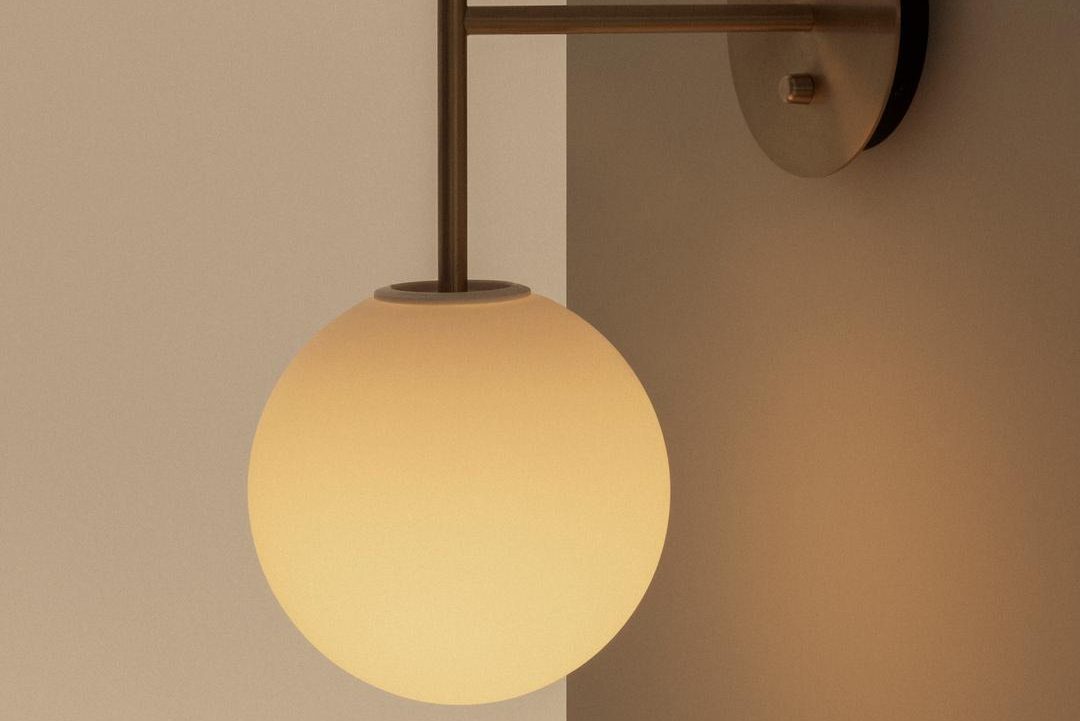
Elevate Your Nursery with Milk Glass Orb Lighting
Milk glass orb lighting can introduce a distinct aesthetic and functional element to a nursery. This type of lighting, characterized by its opaque white glass, often takes the form of spherical fixtures. The diffusion of light through milk glass creates a softer, more ambient glow than clear glass, which can be beneficial in a space designed for rest and relaxation.
Milk glass is a type of opaque or semi-opaque glass that has a history dating back to the 18th century. Its development was driven by a desire to mimic the appearance of porcelain or bone china. The opacity is achieved by the inclusion of opacifying agents, such as bone ash, tin oxide, or antimony compounds, during the glass manufacturing process.
Early Manufacturing Techniques
The earliest methods for producing milk glass involved adding ground bone ash to the molten glass mixture. This technique, refined by artisans in Europe, produced a glass that was creamy white and smooth. These early pieces were often used for decorative items, tableware, and even pharmaceutical containers, where their opacity served a functional purpose in protecting contents from light.
The Victorian Era and Popularity
Milk glass experienced a significant surge in popularity during the Victorian era in both Europe and America. Manufacturers began producing a wide array of decorative items, including vases, decorative plates, figures, and tableware. The affordability and appealing aesthetic of milk glass made it accessible to a broader segment of society. It was often used in elaborate displays of home décor, reflecting the era’s fascination with ornamentation.
Mid-20th Century Revival and Modern Adaptations
After a decline in popularity in the early 20th century, milk glass saw a revival in the mid-20th century. This period saw its use in more contemporary designs, including lighting fixtures. Manufacturers began creating milk glass globes and shades for ceiling lights Mosundesign, wall sconces, and table lamps. Modern adaptations continue to utilize the material, often in conjunction with different metal finishes and mounting styles, to suit contemporary interior design trends.
The Aesthetic Appeal of Milk Glass Orb Lighting in Nurseries
The visual qualities of milk glass orb lighting lend themselves well to the creation of a serene and comforting nursery environment. The soft diffusion of light is a primary contributor to this effect.
Light Diffusion and Ambiance
Clear glass globes, while functional, can sometimes cast harsh or direct light. Milk glass, by its very nature, softens and scatters light. This diffusion is akin to the gentle glow of moonlight filtering through clouds, creating an atmosphere that is less stimulating for infants and parents alike. The light source itself is often masked, preventing glare and providing a more uniform illumination across the room. This can be particularly important during nighttime feedings or diaper changes, where a gentle light is preferred over a bright, jarring one.
Color Neutrality and Versatility
The inherent white or off-white color of milk glass acts as a neutral canvas within the nursery. This neutrality allows it to seamlessly integrate with a wide range of color palettes and decorative themes. Whether the nursery is decorated in soft pastels, bold primary colors, or a more minimalist aesthetic, milk glass orb lighting will not clash. It is like a sturdy foundation upon which other design elements can be built.
Timeless Design and Simplicity
The orb shape itself is a classic and enduring design form. Its simplicity is unobtrusive, allowing other elements of the nursery décor to take prominence. The smooth, rounded form of the orb is also often perceived as calming and safe, a desirable attribute for a child’s room. This simplicity also means that the fixture is less likely to become dated quickly, offering a long-term aesthetic solution.
Functional Benefits of Milk Glass Orb Lighting for Nursery Use
Beyond its aesthetic appeal, milk glass orb lighting offers several practical advantages for a nursery setting. These benefits contribute to the overall comfort and usability of the space.
Gentle Illumination for Sensitive Eyes
Infants’ eyes are still developing and can be more sensitive to bright light than adult eyes. The diffused illumination provided by milk glass is significantly gentler, reducing the risk of overstimulation or discomfort for the baby. This soft light is akin to a gentle lullaby for the eyes, promoting a sense of calm. This is especially important during the early months when sleep patterns are still establishing and the nursery serves as a primary environment for the infant’s rest.
Reduced Glare and Shadows
The opaque nature of milk glass tends to minimize harsh glare and deep, unsettling shadows that can be cast by more direct light sources. This creates a more consistent and predictable lighting environment, which can contribute to a feeling of security. The absence of sharp contrasts in light and shadow can make the room feel more open and less prone to creating visual distractions that might disturb a sleeping infant.
Ease of Cleaning and Maintenance
Milk glass surfaces are generally smooth and non-porous, making them easy to clean. A damp cloth is typically sufficient to remove dust or smudges, a crucial consideration in a room where hygiene is paramount. Unlike textured or intricate fixtures, the simple orb shape offers fewer crevices for dust to accumulate, simplifying the cleaning routine for busy parents.
Durability and Safety Considerations
While glass is inherently breakable, milk glass, particularly thicker varieties found in older fixtures or well-constructed modern ones, can offer a degree of durability. When considering nurseries, the type of mounting and the fixture’s overall construction are important factors. Fixtures that are securely mounted and have enclosed bulbs can mitigate risks. The absence of exposed bulbs also contributes to safety.
Integrating Milk Glass Orb Lighting into Nursery Design Schemes
The introduction of milk glass orb lighting can be approached in various ways to complement different nursery design themes. Its versatility allows it to act as a focal point or a subtle enhancement.
As a Central Ceiling Fixture
A prominent milk glass orb serving as the main ceiling light can act as a subtle anchor for the room’s design. Its understated elegance does not compete with other decorative elements, such as crib bumpers, wall decals, or mobiles. This centralized placement ensures even light distribution throughout the space. The orb can be seen as the quiet heartbeat of the room, providing a steady rhythm of light.
Pendant Lights and Accent Lighting
Beyond a main ceiling fixture, smaller milk glass orb pendants can be used for accent lighting. These might be hung at a lower height over a changing table or a rocking chair, providing targeted illumination without being overwhelming. This approach allows for a layered lighting strategy, where different light sources can be used depending on the specific activity or time of day.
Wall Sconces for Ambiance
Milk glass orb wall sconces can offer a softer, more indirect light source. Mounted at a comfortable height, they can provide ambient light in corners of the room or illuminate specific areas without casting light directly downwards. This can be particularly useful for creating a calming atmosphere during bedtime routines. Imagine these sconces as gentle sentinels, guarding the quietude of the nursery.
Thematic Complementarity
The neutral white of milk glass will harmonize with a vast array of nursery themes. For a celestial theme, the orbs can evoke moons or stars. In a more traditional or vintage-inspired nursery, they echo the classic appeal of vintage milk glass. For a minimalist or Scandinavian-inspired room, their clean lines and understated presence fit perfectly.
Considerations for Installation and Safety in a Nursery Environment
When incorporating any electrical fixture into a nursery, safety and practical installation are paramount. The specific nature of milk glass orb lighting requires careful attention to these aspects.
Professional Installation for Security
For ceiling fixtures and wall-mounted sconces, professional installation is highly recommended. This ensures that the fixture is securely attached to the ceiling joists or wall studs, preventing any risk of falling. Electricians can also ensure that the wiring is up to code and the fixture is properly grounded. A secure installation is like building a strong foundation; it ensures the long-term stability of the structure.
Bulb Selection and Heat Management
When selecting bulbs for milk glass orb lighting, it is important to consider the wattage and type of bulb. LED bulbs are often the preferred choice for nurseries due to their energy efficiency, long lifespan, and importantly, their low heat emission. Incandescent bulbs can generate more heat, and while milk glass can tolerate some heat, it’s always prudent to minimize it in a child’s room. Ensure the bulb is not in direct contact with the glass and that there is adequate ventilation within the fixture to prevent overheating.
Fixture Accessibility and Childproofing
Consider the height at which the fixture is installed. Ceiling fixtures should be well out of reach of a standing child. For any wall-mounted fixtures, ensure they are positioned to minimize the risk of a child bumping into them, especially as they become more mobile. If the fixture is positioned at a lower height for accent lighting, consider childproofing measures to prevent tampering.
Electrical Safety and Dimmers
Ensure that the electrical connections are sound and all current safety standards are met. The use of a dimmer switch can be a valuable addition to a nursery. It allows for precise control over the light intensity, enabling parents to adjust the brightness to suit different times of the day and activities. A dimmer acts as a volume control for the light, allowing for subtle adjustments.
The Lasting Impression of Milk Glass Orb Lighting
Milk glass orb lighting offers a blend of visual appeal and practical functionality that makes it a suitable choice for a nursery. Its contribution to a serene atmosphere and its adaptability to various design schemes are key attributes.
Creating a Calm Oasis
The primary benefit of milk glass orb lighting in a nursery is its ability to foster a calm and tranquil environment. The softened light acts as a gentle balm, contributing to a space conducive to sleep and comfort. This is not about mere illumination; it’s about crafting an atmosphere.
A Touch of Timeless Elegance
The classic design of the orb, combined with the enduring appeal of milk glass, brings a touch of timeless elegance to the nursery. This fixture is not simply a functional item; it’s a design element that can contribute to the room’s overall aesthetic appeal, transcending fleeting trends.
A Practical and Beautiful Choice
Ultimately, milk glass orb lighting represents a practical and beautiful choice for parents seeking to illuminate their nursery. It balances the need for effective lighting with the desire to create a visually pleasing and comforting space for their child. It is like a well-chosen piece of advice: both sensible and aesthetically pleasing.