Enhance Your Space with Arc Style Floor Lamps and Soft Ambient Lighting
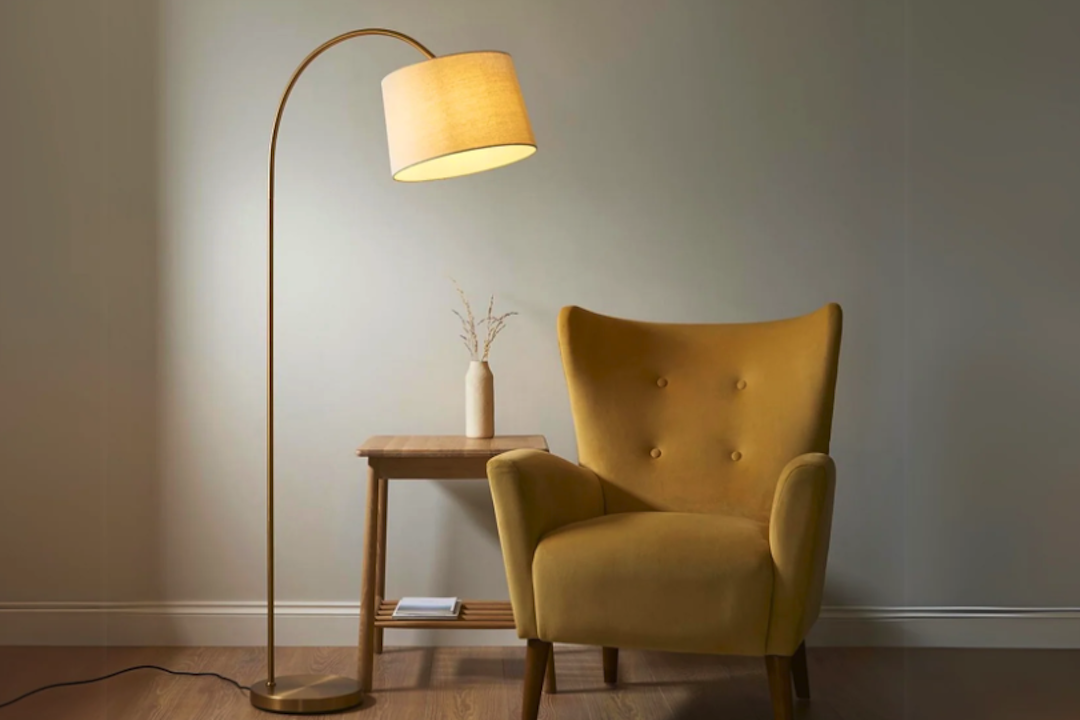
Arc style floor lamps, often distinguished by their long, curved design and cantilevered light source, represent a significant category within interior lighting. Their development has been influenced by evolving design principles and technological advancements in light sources. These fixtures are frequently employed to provide soft, ambient illumination, a lighting strategy focused on creating a foundational layer of light within a space rather than direct, task-oriented brilliance.
The genesis of the arc lamp Lovefanli can be traced back to the mid-20th century, a period marked by experimentation in furniture and lighting design. Early iterations often leveraged industrial aesthetics, incorporating materials like polished chrome and heavy, stable bases to support the lamp’s expansive reach. The defining characteristic – the curved arm – was not merely an aesthetic choice but a functional one, allowing the light source to project over furniture without requiring a ceiling fixture or a multitude of smaller lamps.
Mid-Century Modern Influence
The 1960s saw a particular surge in the arc lamp’s popularity, aligning with the “Mid-Century Modern” design movement. This era favored clean lines, organic shapes, and a departure from overly ornate designs. Designers like Achille Castiglioni, with his iconic Arco lamp, exemplified this trend, creating fixtures that were as much sculptural elements as they were functional light sources. The Arco lamp, in particular, utilized a heavy marble base to counterbalance its substantial stainless steel arch, demonstrating an innovative approach to stability and form.
Contemporary Adaptations
Modern arc lamps often retain the fundamental curved silhouette but integrate a wider array of materials and finishes. Brushed metals (nickel, brass), matte black, and even wood elements are now common. The bases have also evolved, with slimmer profiles and less overt weight, sometimes relying on the lamp’s overall balance rather than sheer mass for stability. These contemporary adaptations reflect a shift towards more streamlined aesthetics and a desire for versatility across various interior styles.
The Principles of Ambient Lighting
Ambient lighting, also known as general lighting, forms the primary layer of illumination in a room. Its purpose is to provide a uniform distribution of light, allowing for basic navigation and reducing harsh shadows. It acts as the foundational canvas upon which other forms of lighting, such as task and accent lighting, are layered.
Creating a Uniform Glow
The goal of ambient lighting is not to spotlight specific areas but to bathe the entire space in a gentle glow. This is often achieved through diffused light sources that minimize direct glare. Arc lamps, especially those with shades that diffuse light or direct it upwards, are well-suited for this role. Their placement can significantly impact the evenness of illumination, preventing areas of stark darkness. Consider the room as a container; ambient lighting fills that container with a breathable atmosphere of light, rather than puncturing it with intense beams.
Impact on Mood and Perception
The intensity and color temperature of ambient light profoundly influence the mood and perceived size of a room. Warmer color temperatures (2700K-3000K) tend to create a cozier, more inviting atmosphere, often described as “soft white” or “warm white.” Cooler color temperatures (above 4000K) evoke a more energetic or clinical feel. The dimmer an ambient light source, the more relaxed the environment becomes, inviting introspection rather than activity.
The Problem of Glare
Uncontrolled glare can negate the benefits of ambient lighting. Direct glare, from poorly shielded light sources, causes discomfort and eye strain. Reflected glare, off glossy surfaces, can be equally problematic. Arc lamps with opaque or semi-translucent shades, or those that direct light upwards towards the ceiling for indirect reflection, effectively mitigate glare, contributing to a more comfortable visual experience.
Strategic Placement and Integration of Arc Lamps
The effective use of an arc lamp goes beyond merely positioning it in a room. Its placement should be considered within the broader context of the room’s function, furniture arrangement, and other lighting layers. Like a well-placed anchor, the arc lamp can define a space.
Over Seating Areas
A common and highly effective application for arc lamps is to position them over seating areas, such as sofas or armchairs. The long, arching arm allows the light source to hover above the seating, providing a gentle pool of light without cluttering tables or requiring ceiling pendants. This creates an intimate zone for reading, conversation, or relaxation. The light emanating from above acts like a soft canopy, delineating a specific zone within the larger room.
Corner Illumination
Rooms often have underutilized corners that can become dark voids. An arc lamp can effectively illuminate these areas, expanding the perceived size of the room and eliminating shadows that contribute to a cramped feeling. This approach can turn a previously neglected corner into a feature, perhaps highlighting a plant or a piece of art.
Balancing with Other Lighting Layers
An arc lamp providing ambient light should not operate in isolation. It should be complemented by other forms of lighting. Task lighting, such as table lamps or desk lamps, provides focused illumination for specific activities. Accent lighting, like spotlights or picture lights, draws attention to architectural features or artwork. The arc lamp acts as the general background hum, allowing these other sources to sing their individual notes without competition. Without a strong ambient layer, task and accent lights can create stark contrasts, producing an undesirable theatrical effect rather than a cohesive lighting scheme.
Choosing the Right Arc Lamp for Your Space
The market offers a diverse range of arc lamps. Making an informed choice involves considering factors beyond pure aesthetics, aligning the lamp’s specifications with your room’s requirements and your desired atmosphere.
Size and Scale Considerations
The physical dimensions of the arc lamp must be proportionate to the room and the furniture it illuminates. A large, sweeping arc lamp in a small room can dominate and overwhelm, creating an unbalanced appearance. Conversely, a diminutive arc lamp in a spacious room may appear insignificant and fail to provide adequate illumination. Measure the reach of the lamp’s arm and the height of its arc to ensure it clears furniture and doesn’t impede movement. Consider the arc lamp as a structural element; its size contributes to the spatial geometry.
Material and Finish Integration
The materials and finishes of the arc lamp should complement the existing décor. A polished chrome lamp might suit a modern or industrial aesthetic, while brushed brass could enhance a mid-century or transitional interior. Timber accents can add warmth to a minimalist space. Consider the lamp’s base as well; a heavy marble base provides stability and a luxurious touch, while a slim metal base offers a more discreet presence. The lamp is not just a light source; it is a piece of furniture in its own right, contributing to the room’s material palette.
Light Source and Lamp Shade Options
The type of light source (bulb) and the design of the lamp shade are pivotal in determining the quality of light.
LED Technology
Modern arc lamps frequently utilize LED technology due to its energy efficiency, longevity, and versatility. LEDs offer a wide range of color temperatures and are often dimmable, allowing for precise control over the ambient mood. They generate less heat than traditional incandescent bulbs, contributing to a more comfortable environment.
Dimmability
Dimmable arc lamps are highly recommended for ambient lighting applications. The ability to adjust the light output allows for flexibility in setting the mood, from bright illumination for general activity to a soft glow for relaxation. This control enhances the lamp’s utility and contributes to energy savings.
Shade Materials
The material and shape of the lamp shade dictate how light is diffused or directed. Opaque shades (metal, thick fabric) tend to direct light specifically, either upwards or downwards, limiting direct glare. Translucent shades (linen, frosted glass) diffuse light more broadly, scattering it softly throughout the room. Consider whether you prefer a more focused light pool or a generalized soft emanation. The shade acts as a filter, molding the raw energy of the light source into a usable and comforting form.
Maintenance and Longevity
Like all household fixtures, arc lamps benefit from periodic maintenance to ensure their continued functionality and aesthetic appeal. Neglect can lead to reduced performance and diminished visual impact.
Cleaning and Care
Dust accumulation on the lamp shade and base can diminish light output and affect the lamp’s appearance. Regular dusting with a soft, dry cloth is usually sufficient. For more stubborn marks on metal surfaces, a damp cloth followed by immediate drying can be effective. Fabric shades may require gentle vacuuming or professional cleaning depending on the material. Always consult the manufacturer’s instructions for specific cleaning guidelines.
Bulb Replacement
While LED bulbs have a significantly longer lifespan than traditional incandescent or fluorescent bulbs, they will eventually require replacement. Note the specific bulb type and wattage recommended by the manufacturer to ensure compatibility and optimal performance. Incorrect bulb types can lead to dimmer light, overheating, or even damage to the lamp’s electrical components.
Electrical Safety Considerations
Periodically inspect the lamp’s electrical cord for any signs of fraying or damage. Ensure the plug fits securely into the outlet. If an arc lamp is frequently moved, take care not to strain the cord or the internal wiring. If you notice any flickering or inconsistent light, consult a qualified electrician or have the lamp inspected by a professional to address potential electrical issues that could pose a safety hazard. Your arc lamp, like any electrical appliance, is a contained system of forces; ensure its integrity for safe operation.
Conclusion
Arc style floor lamps, when strategically selected and placed, are highly effective tools for establishing soft ambient lighting in a diverse range of interior spaces. Their unique design allows for versatile positioning without intruding on critical floor space or requiring permanent installation. By understanding the principles of ambient illumination, considering the lamp’s scale and materials, and maintaining it appropriately, individuals can leverage these fixtures to enhance the comfort, functionality, and aesthetic quality of their living or working environments.