Enhance Your Living Room with a Mid Century Globe Pendant Light
Thinking about a subtle yet impactful way to elevate your living room’s style? A mid-century globe pendant light might just be your answer. These timeless fixtures offer a unique blend of elegance, history, and functional lighting that can truly transform your space. They’re more than just a light source; they’re a statement piece, blending form and function in a way that feels both classic and perfectly current. If you’re aiming for that sophisticated, vintage-inspired look without going full retro, read on to discover why a globe pendant is such a smart choice.
The enduring appeal of mid-century modern design isn’t just a trend; it’s a testament to its thoughtful principles. Born from a post-war era focused on optimism, innovation, and accessible design, this style emphasizes clean lines, organic shapes, and a seamless integration of indoor and outdoor living. Its furniture and decor are characterized by functionality, simplicity, and a rejection of overly ornamental styles.
The Philosophy Behind the Look
At its heart, mid-century modern is about creating spaces that are both beautiful and practical. Designers of this period were forward-thinking, experimenting with new materials like fiberglass, plywood, and plastic, alongside traditional ones like wood and metal. The goal was to produce well-designed items that could be mass-produced and enjoyed by a broader audience. It wasn’t about exclusivity, but about bringing good design into everyday life. This ethos of accessible elegance is precisely why it continues to resonate today.
Key Characteristics of Mid-Century Design
When you think of mid-century aesthetics, several elements come to mind:
- Clean lines and organic curves: A balance between sleek geometry and natural, flowing forms.
- Minimal ornamentation: The beauty is in the form and function itself, not in excessive decoration.
- Integration of natural materials: Teak, walnut, and rosewood were popular choices for furniture, often paired with metal or glass.
- Emphasis on functionality: Pieces were designed to serve a clear purpose efficiently.
- Bold, yet sophisticated color palettes: Often incorporating earthy tones with pops of vibrant color.
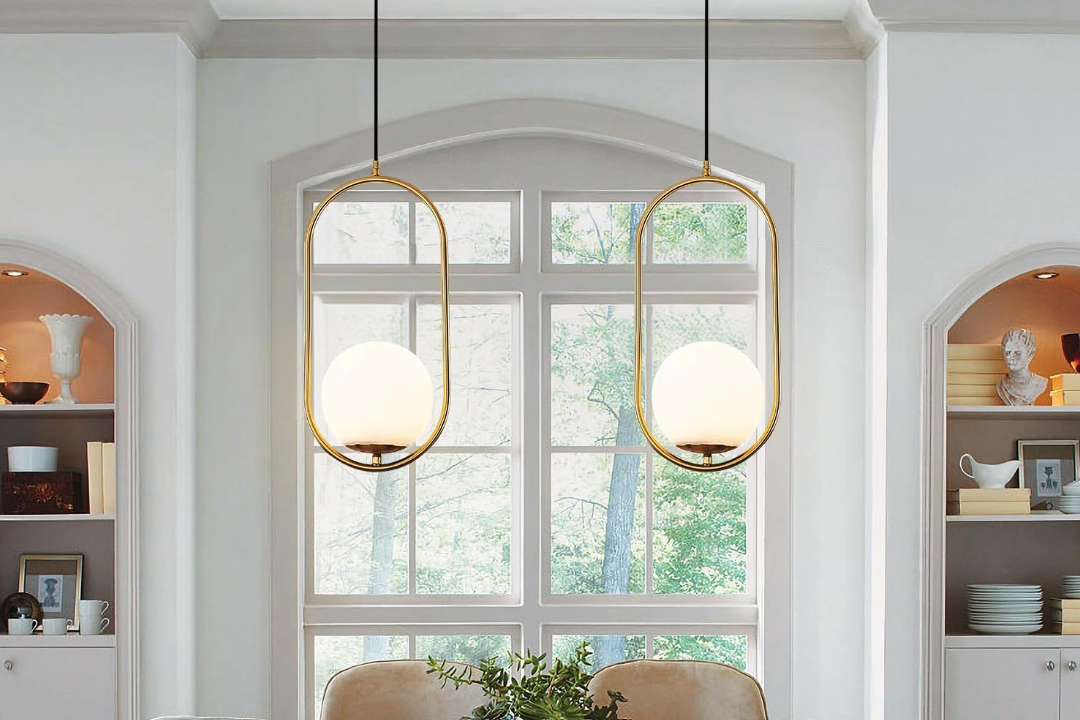
A globe pendant light Lowali fits perfectly into these principles. Its simple spherical shape, often crafted from glass or opal acrylic, embodies the clean lines and organic curves, while its direct function as a light source speaks to the emphasis on utility.
The Allure of the Globe Pendant
There’s something inherently sophisticated and versatile about a spherical light fixture. The globe pendant, in particular, carries a distinctive charm that sets it apart from other lighting styles. Its form is universally recognized, yet when executed with mid-century sensibilities, it takes on a unique character.
What Makes It “Mid-Century”?
While globe lights have existed in various forms for centuries, the mid-century interpretation brought a particular refinement. It wasn’t just about a round light; it was about the way it was designed and presented.
- Materials: Frequently crafted from opal glass – a milky white, translucent material – it diffuses light beautifully, creating a soft, even glow rather than harsh direct illumination. Alternatively, clear glass globes might be used, often with exposed decorative bulbs, leaning into a more industrial-chic mid-century aesthetic.
- Hardware: The suspension and canopy are key. They are typically minimalist, often in brushed brass, polished chrome, or black finishes. This understated hardware allows the globe itself to be the star.
- Clean Lines and Simplicity: The mid-century globe pendant strips away extraneous details, focusing solely on the elegance of the sphere and its interaction with light. It’s a study in less-is-more design.
Versatility in Design & Placement
One of the greatest strengths of the globe pendant is its adaptability. It’s not pigeonholed into just one look.
- Single Statement Piece: A large, singular globe pendant can act as a stunning focal point over a coffee table, in a reading nook, or even in a high-ceilinged entryway.
- Clustered Arrangement: Multiple globe pendants, sometimes of varying sizes and hanging heights, create a dynamic and dramatic lighting installation. This is particularly effective in larger living rooms or in double-height spaces.
- Linear Grouping: For a more structured look, several smaller globe pendants hung in a straight line can illuminate a long sofa or a console table, adding a refined touch without being overpowering.
- Mixing Textures and Finishes: While often associated with glass, you’ll also find mid-century globe pendants with metal accents or even perforated metal shades, offering different light patterns and textural interest.
Choosing the Right Globe Pendant for Your Living Room
Navigating the options for lighting can feel overwhelming, but breaking it down into key considerations makes the decision-making process much smoother. The goal is to find a fixture that not only looks good but also functions optimally in your specific space.
Size Matters: Scale and Proportion
This is arguably the most crucial factor. A pendant that’s too small will look lost, while one that’s too large can dominate the room in an unwelcome way.
- Room Size: For a general rule of thumb, add the length and width of your room in feet. The result, in inches, can give you a rough idea of the ideal diameter for a main overhead fixture. For example, a 10’x12’ room (total 22 feet) might suit a 22-inch diameter pendant. However, this is just a starting point.
- Ceiling Height: Tall ceilings can accommodate larger, bolder pendants. Lower ceilings (standard 8-foot) require more thoughtful placement and often smaller fixtures to avoid feeling claustrophobic. You’ll need to ensure ample clearance for walking underneath, typically at least 7 feet from the floor to the bottom of the fixture. Over a coffee table, you can go lower, around 30-36 inches from the tabletop.
- Furniture Layout: Consider what the pendant will be hanging over. If it’s a coffee table, measure that. If it’s a general overhead fixture, visualize its proportion against your sofa, rug, and other prominent pieces.
Material & Finish: Setting the Mood
The material and finish of your globe pendant significantly influence the style and the quality of light.
- Opal Glass: This is the quintessential mid-century choice. It provides a soft, diffused, ambient light, perfect for creating a warm and inviting atmosphere. It reduces glare and creates a cozy glow.
- Clear Glass: Offers more direct, crisp light. If you choose clear glass, the bulb itself becomes part of the design, so opt for an attractive Edison-style filament bulb or a frosted LED. It can feel more modern or industrial.
- Frosted Glass: A good middle ground between opal and clear. It diffuses light without the milky opacity of opal, often providing a slightly brighter, yet still softened, light.
- Metal Accents (Brass, Chrome, Black): The finish of the canopy and rod/cord impacts the overall aesthetic.
- Brass: Leans into classic mid-century warmth and can complement warmer wood tones.
- Chrome/Polished Nickel: Offers a cooler, sleeker, and slightly more futuristic mid-century vibe.
- Matte Black: Provides a modern edge and creates a strong contrast.
- Bronze: Can lean more industrial or traditional, depending on the shade.
Bulb Choice: Beyond Illumination
The type of bulb you use isn’t just about brightness; it directly impacts the look and energy efficiency.
- LED Bulbs: The practical choice for most situations. They’re energy-efficient, long-lasting, and come in various color temperatures and brightness levels (lumens). Look for dimmable LEDs if you want mood control.
- Edison-Style Filament Bulbs: These are primarily aesthetic, offering a warm, inviting glow. They work best in clear glass pendants where the bulb is visible and intended as part of the decor. Be aware they are often less bright and less energy-efficient than modern LEDs.
- Color Temperature: Measured in Kelvins (K).
- Warm White (2700K-3000K): Mimics traditional incandescent light, creating a cozy and relaxing atmosphere, ideal for living rooms.
- Cool White (3500K-4500K): Brighter, more neutral light, good for task lighting but can feel too stark in a living room.
- Daylight (5000K-6500K): Very bright, blue-white light, generally not recommended for living rooms unless specific task lighting is needed.
Strategic Placement: Where to Hang Your Globe Pendant
Once you’ve chosen your gorgeous globe pendant, the next crucial step is deciding exactly where it will shine. Placement isn’t just about aesthetics; it’s about functionality, flow, and creating the right visual impact.
Over the Coffee Table: The Central Statement
This is perhaps the most common and effective placement for a mid-century globe pendant in a living room.
- Focal Point: It instantly draws the eye and acts as a central anchor for your seating arrangement.
- Height: The bottom of the pendant should typically be 30-36 inches above the coffee table. This allows for clear sightlines across the room while feeling comfortably within the conversational zone. You don’t want people bumping their heads or feeling like it’s in the way.
- Size: Ensure the pendant isn’t wider than your coffee table. It should feel proportionate, generally about 2/3 to 3/4 the width of the table.
Reading Nooks & Corners: Task & Ambiance
A smaller globe pendant can be incredibly effective in defining a specific zone within your living room.
- Directed Light: Hung a bit lower than a general overhead fixture, it can provide excellent downward task lighting for reading in a comfy armchair.
- Intimate Ambiance: It creates a cozy, defined bubble of light, perfect for unwinding.
- Height: When placing over an armchair or a side table in a reading nook, the height can vary but aim for it to sit just above eye level when seated, or around 60-66 inches from the floor, to avoid glare and spread the light effectively.
General Ambient Lighting: Open Spaces
If your living room is more open-plan or you need general illumination, a globe pendant can still serve this role.
- Overall Illumination: A larger globe pendant (or a cluster of smaller ones) centrally located in the room can provide good general ambient light, especially if it’s an opal glass fixture diffusing light broadly.
- Ceiling Height Considerations: For standard 8-foot ceilings, the bottom of the pendant should be at least 7 feet from the floor to ensure comfortable passage underneath. Higher ceilings allow for more flexibility and potentially lower hanging, larger fixtures.
- Layering: Remember that a single pendant rarely provides all the light needed for a living room. Always plan for layered lighting – adding floor lamps, table lamps, and perhaps recessed lighting – to create a well-lit and flexible space. The pendant can be your stylish centerpiece.
Integrating Your Globe Pendant with Existing Decor
A mid-century globe pendant is a versatile piece, but ensuring it harmonizes with your existing decor is key to a cohesive and appealing living room. It shouldn’t feel like an afterthought, but a natural extension of your style.
Blending with Mid-Century Modern Furniture
If you already have a mid-century modern aesthetic, integrating a globe pendant is straightforward:
- Echoing Materials: Look for pendants with brass, walnut, or teak accents that match or complement your existing furniture.
- Clean Lines: The pendant’s inherent simplicity will naturally align with the sleek lines of your sofas, chairs, and tables.
- Color Palette: If your room features a mid-century color scheme (teals, oranges, mustards, or earthy tones), an opal glass globe with a brass finish will fit seamlessly, adding softness without clashing.
- Layering Textures: Pair the smooth glass of the pendant with textured fabrics like velvet, wool, or linen on your upholstery to add depth.
Adaptability to Other Styles
The beauty of the globe pendant is its ability to transcend strict stylistic boundaries. It can be a fantastic counterbalance or an interesting accent in various other design schemes.
- Bohemian: A simple globe pendant can provide a clean, grounding element amidst a mix of patterns, textures, and global influences. Its round shape can echo the organic forms common in boho decor. Opt for natural brass or matte black finishes.
- Minimalist: This is a natural fit. The uncluttered form and functional elegance of the globe pendant perfectly align with minimalist principles. A single, perfectly scaled opal glass globe enhances a minimalist space without adding visual clutter.
- Contemporary: Modernist designs often borrow from mid-century principles. A globe pendant with a polished chrome or black finish can provide a sleek, updated feel that complements contemporary furniture and art. It adds a touch of classic design to a very current aesthetic.
- Industrial: Pair a clear glass globe pendant (perhaps with an exposed filament bulb) with dark metals, brick, and reclaimed wood for an elevated industrial look. The smooth curves of the globe soften the harsher edges of industrial elements.
- Transitional: This style, which blends traditional and contemporary, benefits greatly from the globe pendant’s versatility. It provides a timeless element that isn’t too traditional or too starkly modern, bridging the gap beautifully. A brass finish with opal glass is often an excellent choice here.
To make it work, consider the “rule of three” – if you have some traditional elements and some modern elements, adding a mid-century piece acts as a bridge, making the blend feel intentional rather than haphazard. The globe pendant, with its classic shape and modern materials, is often that perfect bridge.