Enhance Your Dining Space with an Art Deco Brass Chandelier
Thinking about adding a bit of glamour to your dining room? An Art Deco brass chandelier might just be the ticket. These fixtures aren’t just about light; they’re statement pieces that can completely transform the feel of your space. They bring a blend of vintage charm and contemporary sophistication, making your dining area a place you’ll genuinely want to linger in.
The Allure of Art Deco Brass Chandeliers
Art Deco, a style that emerged in the 1920s and 30s, is all about geometric shapes, luxurious materials, and a sense of bold modernity. When you combine this with the warm, rich glow of brass, you get a chandelier that’s both eye-catching and timeless. It’s the kind of piece that sparks conversation and elevates everyday meals into something a little more special.
Why Brass?
Brass has been a popular material for lighting for centuries, and for good reason. It’s durable, it has a beautiful natural patina that ages gracefully, and it complements a variety of color palettes. In an Art Deco context, brass is often polished to a high shine, reflecting light and adding a sense of opulence.
The Art Deco Aesthetic
What makes an Ohretro Art Deco chandelier distinct? Think clean lines, symmetry, often inspired by nature but stylized into geometric forms. You’ll see elements like sunbursts, stepped patterns, and streamlined accents. It’s a style that’s both glamorous and, surprisingly, quite grounded in its geometric principles.
Bringing Art Deco Style into Your Dining Room
Choosing an Art Deco brass chandelier is more than just picking a light fixture; it’s about curating an atmosphere. It’s a way to infuse personality and a touch of historical elegance into a space where you gather with family and friends.
Setting the Mood
The primary function of a chandelier is light, but an Art Deco brass one does so much more. It can create a warm, inviting glow, perfect for intimate dinners, and a dazzling display for entertaining. The metal itself, especially when aged or polished, adds a unique character that can’t be replicated with other materials.
A Focal Point That Matters
In any dining room, there’s usually a central element. While the dining table and chairs are important, a well-chosen chandelier can really steal the show. An Art Deco brass piece is inherently dramatic, drawing the eye upwards and anchoring the entire room. It’s a statement that says you appreciate design and aren’t afraid to show it.
Key Design Elements of Art Deco Brass Chandeliers
When you’re on the hunt for the perfect Art Deco brass chandelier, there are a few signature design features to look out for. Recognizing these will help you pinpoint authentic pieces and make sure you’re getting a fixture that embodies the era’s spirit.
Geometric Prowess
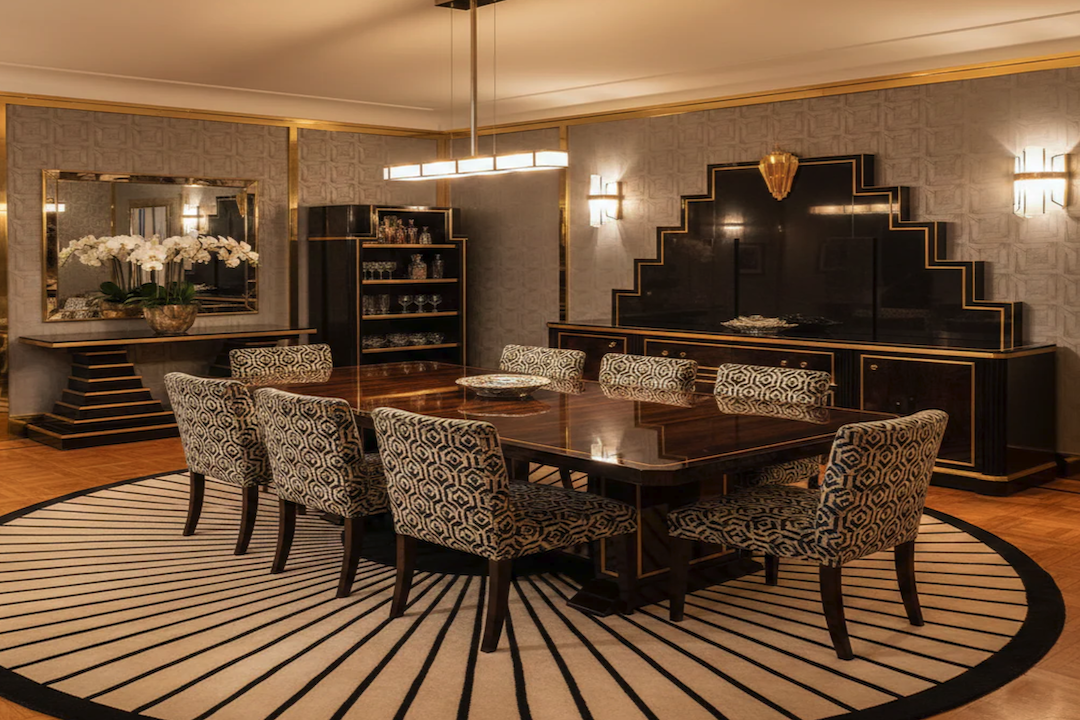
One of the most defining characteristics of Art Deco is its embrace of geometric shapes. For chandeliers, this often translates into symmetrical designs featuring concentric circles, stepped tiers, angular lines, and fan-like patterns reminiscent of sunbursts or feathers. The simplicity and boldness of these forms are a hallmark of the style.
Sunburst Motifs
The sunburst is a recurring motif in Art Deco design, symbolizing optimism and forward momentum. In chandeliers, this can appear as radiating arms or a central disk with stylized rays. These designs are inherently dynamic and add a visual sparkle to the dining space.
Stepped and Tiered Designs
Many Art Deco chandeliers feature stepped or tiered structures, creating a sense of verticality and grandeur. This architectural approach adds visual interest and can make a room feel taller. Think of a layered cake, but executed in gleaming brass and elegant glass.
Linear and Angular Forms
While curves are present, Art Deco also heavily utilizes straight lines and sharp angles. Chandeliers might feature parallel brass bars, rectangular glass panels, or sharp, tapering arms. These elements contribute to the modern and streamlined feel of the Art Deco aesthetic.
Material Combinations
Brass is undeniably the star, but it’s often paired with other materials to enhance its visual appeal and functionality. These pairings are crucial to the overall impact of the chandelier.
Glass and Crystal Elements
Art Deco chandeliers frequently incorporate glass, often in frosted, etched, or rippled textures, or even clear, cut crystal. These materials interact beautifully with the brass, diffusing light, creating interesting shadows, and adding a touch of sparkle.
- Frosted Glass: Provides a soft, diffused light, perfect for creating a warm and inviting dining ambiance. It can also obscure the light bulbs for a cleaner look.
- Etched Glass: Often features geometric patterns or stylized motifs that reveal themselves when illuminated. This adds an extra layer of detail and artistry.
- Cut Crystal: While perhaps more associated with earlier eras, Art Deco sometimes embraced crystal for its ability to refract light brilliantly, adding a luxurious shimmer.
- Milky Glass: Similar to frosted glass but often with a more opaque, pearlescent quality, offering a gentle, even glow.
Other Metals
While brass is dominant, you might sometimes find accents of other metals like chrome or stainless steel. These contrast with the warm brass, highlighting the geometric elements and adding to the sleek, modern feel of the Art Deco design. However, the primary material for true Art Deco brass chandeliers remains brass itself.
Scale and Proportion
The size of an Art Deco brass chandelier is critical. These fixtures are designed to be a significant presence, but they shouldn’t overwhelm the dining space. The scale should be proportionate to the dining table and the room’s ceiling height. A well-balanced chandelier enhances, rather than detracts from, the overall harmony of the room.
Choosing the Right Art Deco Brass Chandelier for Your Dining Room
Selecting the ideal chandelier involves more than just liking the look; it’s about practical considerations that ensure it fits seamlessly into your existing or planned dining room.
Sizing Up Your Space
The dimensions of your dining room and your dining table are the first things to consider. A general rule of thumb is that the diameter of the chandelier should be about half to two-thirds the width of your dining table. For ceiling height, think about how much clearance you need. You want the bottom of the chandelier to hang at least 30 inches above the dining table for comfortable seating and conversation. If you have a vaulted ceiling, you might need a longer chain or suspension system, and the chandelier’s presence can be more substantial.
- Small Dining Rooms: A more compact, perhaps single-tiered chandelier with clean lines is advisable to avoid making the space feel cramped.
- Medium Dining Rooms: You have more flexibility. A multi-tiered or more elaborate design can work well here, becoming a true centerpiece.
- Large Dining Rooms: A larger, more dramatic chandelier or even a cluster of smaller fixtures can be employed to fill the expansive space and establish a strong focal point.
Lighting Needs and Ambiance
Think about the kind of atmosphere you want to create. Are you looking for bright, functional lighting for family meals, or a more subdued, romantic glow for dinner parties? The type of bulbs and the diffusion of light through glass or crystal will play a significant role.
- Dimmable Options: Essential for versatility. Being able to adjust the light level allows you to transition from task lighting during meals to a softer ambiance for relaxation or entertaining.
- Bulb Type: Consider LED bulbs for energy efficiency and longevity. Warm white bulbs (around 2700K to 3000K) create a cozy and inviting atmosphere, ideal for a dining room.
- Light Distribution: Does the chandelier cast light downwards where you need it on the table, or does it also provide ambient light throughout the room? Some designs aim for illumination directly below, while others spread light more broadly.
Style Harmony with Your Decor
While an Art Deco chandelier is a statement piece, it should still complement the overall style of your dining room. It doesn’t mean your entire room has to be Art Deco, but there should be some thoughtful integration.
- Modern Settings: An Art Deco brass chandelier can inject a dose of warmth and vintage flair into a stark modern room. The geometric shapes often align well with modern design principles.
- Traditional Settings: It can add a touch of unexpected glamour and a departure from purely classic elements, creating an eclectic and sophisticated look.
- Transitional Decor: Art Deco pieces often bridge the gap between traditional and contemporary, making them ideal for transitional spaces.
Installation and Maintenance Considerations
Once you’ve found your dream chandelier, getting it installed and keeping it looking its best is important.
Professional Installation is Key
Electrical work can be tricky and, more importantly, dangerous if not done correctly. For an Art Deco brass chandelier, which can be a substantial piece, professional installation is highly recommended. An experienced electrician will ensure it’s securely mounted and wired safely. They can also advise on the best placement and height for optimal lighting and aesthetic impact.
- Weight Support: Chandeliers, especially larger ones, require secure mounting to the ceiling joists. An electrician will know how to assess and reinforce this as needed.
- Wiring: Proper wiring is crucial for both functionality and safety. Incorrect wiring can lead to flickering lights, short circuits, or even fire hazards.
- Height Adjustment: The installer can help ensure the chandelier is hung at the perfect height, whether it requires adjusting the existing electrical box or adding a longer chain.
Keeping Your Brass Gleaming
Brass, while beautiful, does require some care to maintain its luster. The level of maintenance depends on the type of finish.
- Polished Brass: This finish will naturally tarnish over time, developing a patina. If you prefer a high shine, regular polishing with a brass cleaner will be necessary.
- Cleaning Tips: Use a soft cloth and a specialized brass polish. Work in small sections and buff gently. Avoid abrasive cleaners that can scratch the surface.
- Protecting the Finish: Some polished brass fixtures are coated with a lacquer to prevent tarnishing. If yours has a lacquer, avoid polishing agents as they can damage the coating. Simply dust with a soft, dry cloth.
- Brushed or Antiqued Brass: These finishes have a more muted, often darker appearance. They are generally lower maintenance.
- Cleaning: A gentle dusting with a soft cloth is usually sufficient. For any marks, a slightly damp cloth might be used, but ensure it dries quickly to prevent water spots.
- Patina: Embrace the patina! Antiqued finishes are designed to age and develop character. Harsh cleaning can disrupt this intended aesthetic.
Understanding Finishes
- Lacquered Brass: This is brass that has been sealed with a clear protective coating. It won’t tarnish but can be damaged by abrasive cleaners or aggressive polishing.
- Unlacquered Brass: This is raw brass and will naturally develop a patina over time. It can be polished to a high shine or allowed to age.
- Brushed Brass: This has a matte, slightly textured finish achieved by brushing the metal. It offers a softer look than polished brass.
- Antiqued Brass: This finish has been treated to give it an aged appearance, often with darker tones and variations in color. It’s designed to look old and is usually low-maintenance.
The Enduring Appeal of Art Deco Brass Chandeliers
Art Deco brass chandeliers are more than just lighting fixtures; they are investments in style and character. They bring a sense of occasion to everyday dining and offer a tangible connection to a past era that celebrated design and elegance.
Timeless Elegance
Despite originating in the early 20th century, Art Deco design has a remarkable ability to remain relevant. The clean lines, geometric forms, and luxurious materials of brass chandeliers fit surprisingly well into contemporary homes, offering a sophisticated contrast to modern decor. This timelessness means a well-chosen chandelier won’t feel dated in a few years.
Adding Value and Personality
A statement piece like an Art Deco brass chandelier can elevate the perceived value of your home. It’s a detail that discerning buyers notice and appreciate. More importantly, it personalizes your space, reflecting your taste and creating a dining room that feels uniquely yours. It transforms a functional area into a curated experience.
A Conversation Piece
Beyond their aesthetic appeal, these chandeliers are natural conversation starters. Their unique design, historical context, and the warm glow they cast can spark discussions and create memorable moments during gatherings. They add a layer of story and intrigue to your home.
Investing in Quality
When you choose an Art Deco brass chandelier, you’re often choosing a piece made with quality craftsmanship and durable materials. This isn’t fast fashion; it’s an item designed to last for decades, becoming a treasured heirloom that can be passed down through generations. The intrinsic value of the materials and the artistry involved contribute to their long-term appeal.